

In recent years, the packaging industry has undergone a significant transformation, with Paper packaging increasingly becoming the preferred choice over plastic packaging. This shift is driven by multiple factors, including environmental concerns, technological advancements, and consumer preferences. In this article, we will delve into the reasons whypaper packaging is replacing plastic packaging, backed by data showcasing the growth of paper packaging and the decline in plastic packaging’s share over the past decade.
Environmental Concerns
One of the primary reasons behind the rise of paper packaging is its environmental friendliness. Paper is a biodegradable material made from natural plant fibers, primarily cellulose. This means that paper packaging can be easily decomposed by soil microorganisms, reducing the burden on landfills and minimizing the risk of “White pollution.” In contrast, plastic packaging, particularly conventional plastics, takes hundreds of years to decompose, causing severe harm to the environment.
According to recent statistics, the global production of plastic packaging has been on a decline since the early 2010s. For instance, while the overall production of plastics has continued to grow, the share of plastic packaging within this total has declined. This can be attributed to stricter environmental regulations, consumer awareness, and the development of eco-friendly alternatives.
Technological Advancements
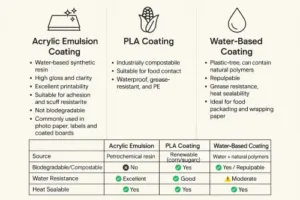
Advancements in technology have played a crucial role in enhancing the performance of paper packaging, making it a viable alternative to plastic. Innovations such as Papkot® coatings, which provide paper with the same packaging properties as plastic without any plastic content, have revolutionized the industry. These coatings make paper packaging resistant to oil, grease, and water, enhancing its durability and versatility.
As a result, paper packaging is now widely used in various sectors, including food, beverages, cosmetics, and electronics. The growth of these sectors has fueled the demand for paper packaging, leading to a significant increase in production. According to market research, the global paper packaging market has grown at a steady pace over the past decade, with a compound annual growth rate (CAGR) of around 4-5%.
Consumer Preferences
Consumers are increasingly conscious of their environmental impact and are actively seeking eco-friendly packaging options. A survey conducted by a leading market research firm revealed that over 70% of consumers prefer products packaged in recyclable or biodegradable materials. This trend has prompted manufacturers to shift towardS Paper packaging, which is not only environmentally friendly but also often perceived as more natural and sustainable.
Moreover, the design flexibility of paper packaging has also contributed to its popularity. Paper packaging can be customized to suit various product shapes and sizes, enhancing the overall aesthetic appeal of the product. This has made paper packaging an attractive option for brands looking to differentiate themselves in a crowded market.

Data on the Growth of Paper Packaging and Decline of Plastic Packaging
Over the past decade, the production of paper packaging has witnessed significant growth globally. For instance, in China, a major producer and consumer of packaging materials, the production of packaging paper has increased steadily. From 2013 to 2022, the production of packaging paper in China grew from 6,050 million tons to 7,900 million tons, with a CAGR of 3.01%. Similarly, the consumption of packaging paper also increased, growing from 6,079 million tons to 8,279 million tons, with a CAGR of 3.49%.
In contrast, the production and consumption of plastic packaging have shown a more mixed picture. While the overall production of plastics has continued to grow, the share of plastic packaging within this total has declined due to stricter regulations and the rise of eco-friendly alternatives. For example, the production of foam plastic products in China, a significant segment of the plastic packaging industry, declined by 16.16% in 2019 compared to the previous year.
Conclusion
The shift from plastic packaging to paper packaging is a testament to the growing awareness of environmental concerns and the advancements in technology. Paper packaging, with its biodegradability, design flexibility, and environmental friendliness, has become the preferred choice for manufacturers and consumers alike. As we move towards a more sustainable future, it is essential that we continue to embrace eco-friendly packaging solutions and reduce our reliance on plastics.