
When browsing Paper Types, you may come across the term“woodfree paper“—especially when referring to Offset Paper. At first glance, it may sound like the paper is made without any wood at all. But in fact, this industry term has a more technical meaning rooted in paper production processes.
What Does “Woodfree” Really Mean?
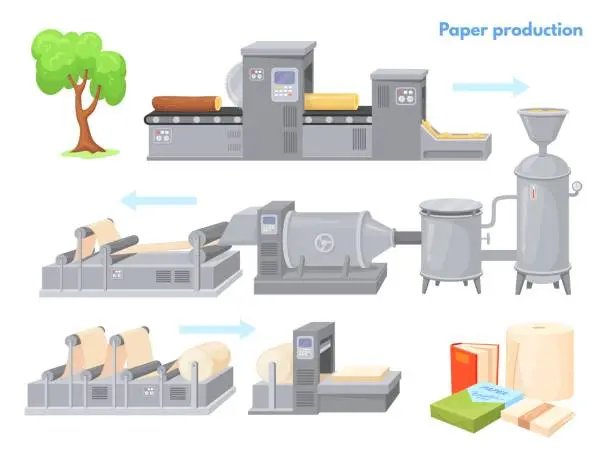
Despite its name, woodfree paper is indeed made from wood. However, during the pulping process, the lignin—a natural substance found in wood—is chemically removed. Lignin is responsible for paper turning yellow over time and reduces its long-term stability. By eliminating lignin, the paper becomes more durable, whiter, and better suited for high-quality printing.
Therefore, “woodfree” doesn’t mean “no wood,” but rather “free from wood lignin.”

Offset Paper: A Typical Woodfree Paper
Offset paper, also known as woodfree uncoated paper, is a commonly used printing paper with good smoothness and ink absorption. It is ideal for books, notebooks, manuals, and other printed materials. It is called “woodfree” because it is produced using chemical pulp, which ensures that the paper remains bright, strong, and less likely to discolor over time.
Woodfree vs. Mechanical Pulp Paper
In contrast, mechanical pulp paper—like newsprint—contains a high percentage of lignin. This makes it cheaper to produce, but it also yellows quickly and is not ideal for long-term use.
Conclusion
In the paper industry, “woodfree” is a technical term referring to paper made from chemical pulp, free of lignin. It’s all about quality, longevity, and print performance. Offset paper is a prime example of this type—crafted for clarity and reliability.
At Sure Paper, we supply premium offset paper to meet your printing and publishing needs. Feel free to contact us for specifications, samples, or custom solutions.