
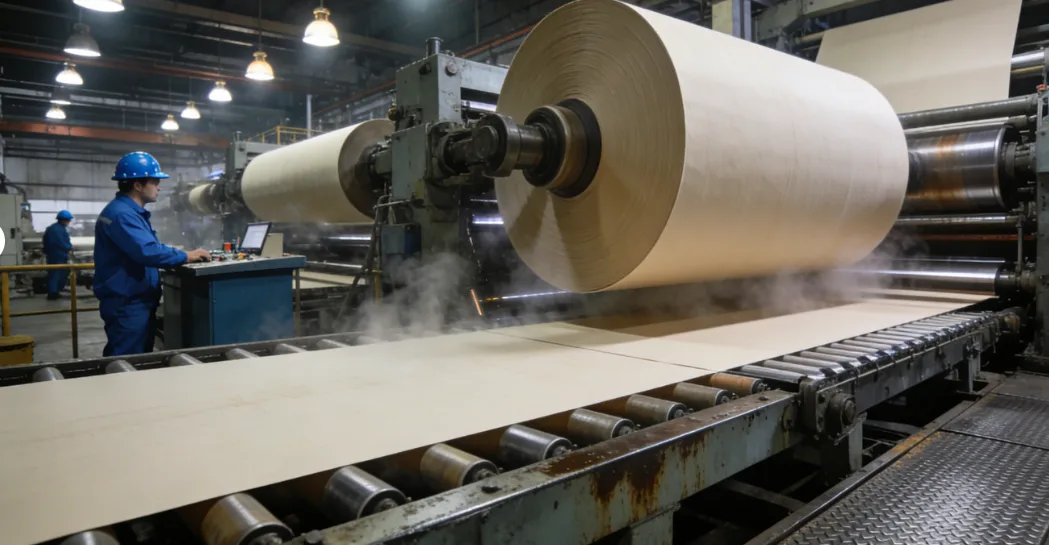



Industrial paper is a specialized type of paper designed for high-performance applications in manufacturing, packaging, and engineering. Unlike regular paper used for office or writing purposes, industrial paper is engineered to meet strict mechanical, thermal, and chemical requirements. Its use spans industries such as automotive, electronics, chemical processing, and heavy machinery.
Industrial paper is not just a consumable; it is a critical component in operational efficiency, product quality, and safety compliance. Its strength, resistance, and versatility make it indispensable in modern industrial processes.
How Is Industrial Paper Manufactured?
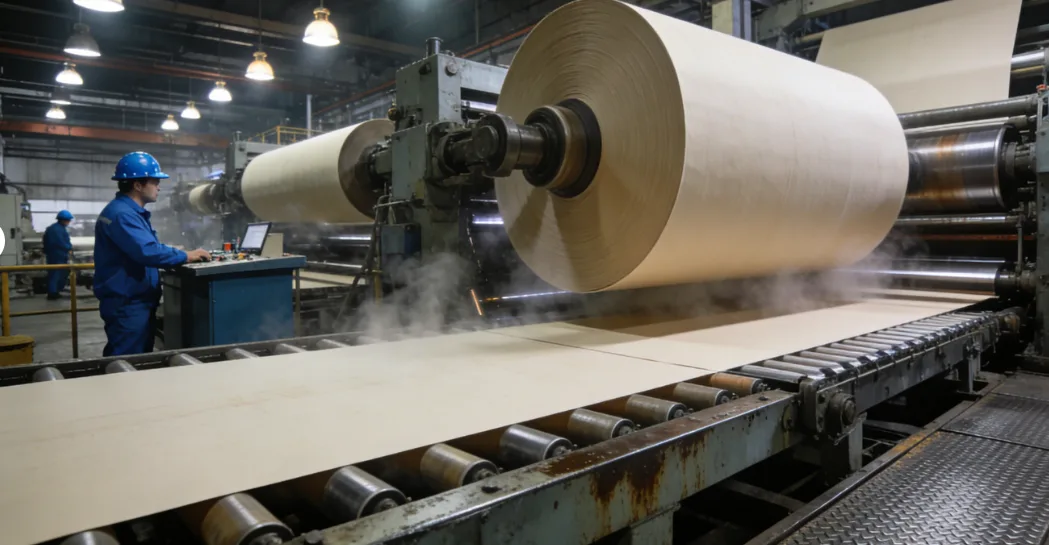
The manufacturing process of industrial paper is significantly different from standard paper production. Key steps include:
Pulp Preparation: Industrial paper begins with selected fibers—wood, recycled cellulose, or synthetic fibers—processed into pulp. Additives like fillers, resins, or coatings are introduced for enhanced properties.
Sheet Formation: Using a specialized Fourdrinier or cylinder machine, the pulp is formed into sheets of desired thickness. The process ensures uniform fiber distribution and density.
Drying and Pressing: Sheets are pressed under high pressure and temperature to achieve mechanical strength and dimensional stability.
Finishing Treatments: Depending on the application, papers may undergo chemical treatments for water resistance, heat insulation, or electrical insulation. Surface coatings or embossing may also be applied.
What Are the Key Types of Industrial Paper?
Industrial paper is diverse, and its classification depends on composition, function, and application. Major types include:
| Type | Description | Typical Applications |
|---|---|---|
| Kraft Paper | High-strength paper made from chemical pulp | Packaging, wrapping, industrial liners |
| Filter Paper | Porous paper with controlled permeability | Filtration in chemical and food industries |
| Insulation Paper | Electrically resistant paper | Transformers, motors, electrical equipment |
| Laminated Paper | Paper combined with polymers or metals | Packaging, protective layers |
| Coated Paper | Paper with surface treatment for durability | Printing, labeling, specialty uses |
Each type is engineered for specific industrial needs, balancing tensile strength, chemical resistance, and environmental durability.
How Does Industrial Paper Differ from Standard Paper?
Industrial paper is distinctly different from conventional paper in multiple dimensions:
- Mechanical Strength: Designed to withstand heavy loads, friction, and tearing.
- Thermal Resistance: Can endure high temperatures without deformation.
- Chemical Resistance: Resists oils, acids, and solvents common in industrial environments.
- Precision Manufacturing: Controlled thickness, smoothness, and porosity.
- Specialized Coatings: Enhances performance for insulation, filtration, or packaging.
This makes industrial paper a critical material where conventional paper would fail, ensuring reliability and safety in demanding conditions.
What Are the Primary Industrial Applications of Industrial Paper?
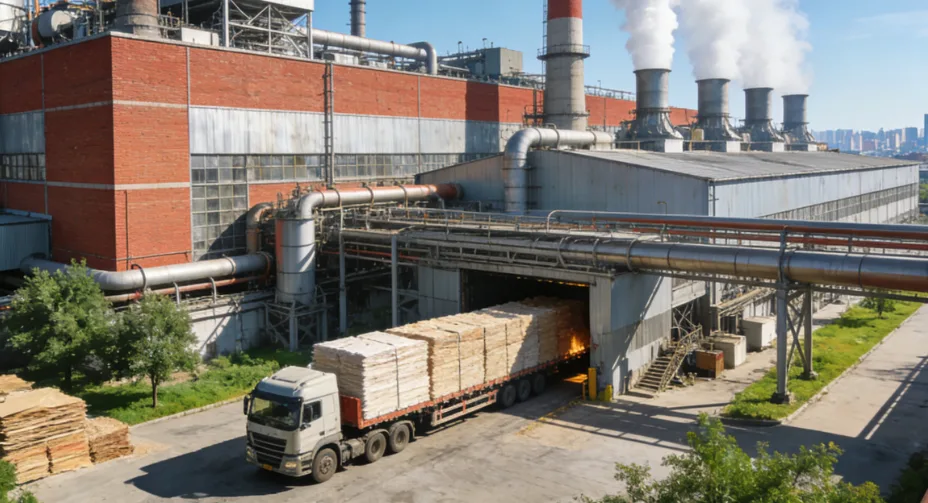
Industrial paper finds applications across diverse sectors. Key areas include:
1. Automotive Industry
- Gasket and insulation materials
- Protective wrapping for components
- Filtration systems for fluids
2. Electronics and Electrical Equipment
- Transformer insulation
- Capacitor and battery separators
- Circuit board lamination
3. Packaging and Shipping
- Heavy-duty wrapping and cushioning
- Moisture-resistant liners
- Reinforced paperboard for containers
4. Chemical and Food Processing
- Filtration papers for liquids and gases
- Oil-absorbing sheets
- Hygienic industrial packaging
5. Construction and Engineering
- Templates and masking sheets
- Laminated panels for temporary protection
- Thermal insulation layers
How to Choose the Right Industrial Paper for Your Business?
Selecting the appropriate industrial paper requires careful consideration of multiple factors:
Step 1: Identify the Application Requirements
- Load-bearing capacity
- Heat or chemical exposure
- Electrical or thermal insulation needs
Step 2: Evaluate Paper Type and Composition
- Fiber type (natural vs. synthetic)
- Coatings or laminations
- Porosity and thickness
Step 3: Assess Compliance and Standards
- ISO, ASTM, or industry-specific standards
- Safety certifications (fire retardant, chemical resistance)
Step 4: Test Performance Under Conditions
- Tensile strength and tear resistance
- Temperature endurance
- Chemical and moisture resistance
Step 5: Consider Supply Chain and Cost Efficiency
- Lead times and availability
- Cost per unit vs. performance benefits
- Supplier reliability and technical support
A methodical approach ensures that the selected industrial paper meets operational needs without overpaying for unnecessary specifications.

What Are the Advantages of Using Industrial Paper?
Industrial paper provides tangible benefits that improve production efficiency, reduce costs, and ensure compliance:
- Enhanced Durability: Withstands high stress, heat, and chemicals.
- Operational Efficiency: Reduces downtime caused by material failure.
- Versatility: Adaptable for insulation, filtration, packaging, and more.
- Cost-Effectiveness: Long lifespan reduces replacement frequency.
- Environmental Options: Recyclable and biodegradable variants reduce environmental impact.
How Can Industrial Paper Improve Sustainability in Manufacturing?
Sustainability is increasingly important in industrial production. Industrial paper contributes through:
- Recycled Fibers: Many types incorporate post-consumer or post-industrial waste.
- Energy-Efficient Production: Optimized manufacturing reduces resource consumption.
- Eco-Friendly Coatings: Water-based or biodegradable coatings replace harmful chemicals.
- Reduced Waste: Durable materials lower consumption and disposal rates.
Switching to sustainable industrial paper solutions can align production processes with ESG targets while maintaining performance.
What Are the Future Trends in Industrial Paper?
The industrial paper sector is evolving with technological innovation:
- Nanocellulose Reinforcements: Stronger, lighter, and more heat-resistant papers.
- Smart Coatings: Papers with sensors for temperature, moisture, or chemical detection.
- Digital Integration: Customized printing and functional surfaces for labeling or circuitry.
- Bio-Based Alternatives: Fully biodegradable papers replacing synthetic laminates.
These trends suggest that industrial paper will remain a versatile and essential material while aligning with modern sustainability and smart manufacturing demands.
FAQ
What is the typical lifespan of industrial paper in high-stress applications?
Depending on type and conditions, industrial paper can last from months to several years, especially when used as insulation or packaging material.
Can industrial paper resist chemical exposure?
Yes, specially treated industrial papers resist oils, acids, alkalis, and solvents commonly found in industrial processes.
Is industrial paper recyclable?
Most types are recyclable, and some variants are designed to be fully biodegradable, contributing to sustainable manufacturing.
How do I determine the right thickness for industrial paper?
Thickness depends on mechanical load, thermal exposure, and functional application. Manufacturers usually provide specifications and testing data.
Are there standards governing industrial paper quality?
Yes, standards like ISO, ASTM, and industry-specific guidelines ensure consistent quality, safety, and performance.