
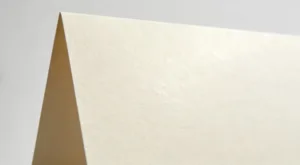
The global demand for sustainable yet functional food packaging has made PE (Polyethylene) coated cup paper a cornerstone of the beverage industry. For manufacturers and procurement managers, selecting the right material isn’t just about cost—it’s about ensuring the paper performs flawlessly on high-speed machines and maintains structural integrity when filled with hot or cold liquids.
This guide provides an in-depth analysis of technical specifications, quality benchmarks, and procurement strategies to help you find the ideal cup paper supplier.
What is PE coated cup paper and why is it essential?
PE coated cup paper is a composite material consisting of a high-quality wood pulp base (cup base paper) and a thin layer of polyethylene plastic. The base paper provides the “skeleton” or stiffness, while the PE layer acts as a moisture barrier, preventing the liquid from soaking into the fibers.
Key Components of Cup Paper
- Base Paper: Usually made from 100% virgin wood pulp to ensure food safety and high tensile strength.
- PE Coating: Can be single-sided (1PE) for hot drinks or double-sided (2PE) for cold drinks to prevent exterior condensation from softening the cup.
Why does GSM for paper cup manufacturing matter?
The GSM (Grams per Square Meter) is the most critical metric in cup production. It determines the thickness, weight, and ultimately the durability of the final product. Choosing an incorrect GSM can lead to cups that collapse under pressure or machines that jam during the forming process.
GSM Selection Guide by Cup Size
| Cup Size (oz) | Typical Base Paper GSM | PE Coating Weight (g) | Total GSM Range |
|---|---|---|---|
| 4 oz (Espresso) | 170 – 190 | 15 – 18 | 185 – 208 |
| 7 oz (Vending) | 190 – 210 | 15 – 18 | 205 – 228 |
| 12 oz (Standard) | 230 – 260 | 18 | 248 – 278 |
| 16 oz (Large) | 280 – 320 | 18 – 20 | 298 – 340 |
| 22 oz (Extra Large) | 320 – 350 | 20 | 340 – 370 |
What GSM is best for a 12oz coffee cup?
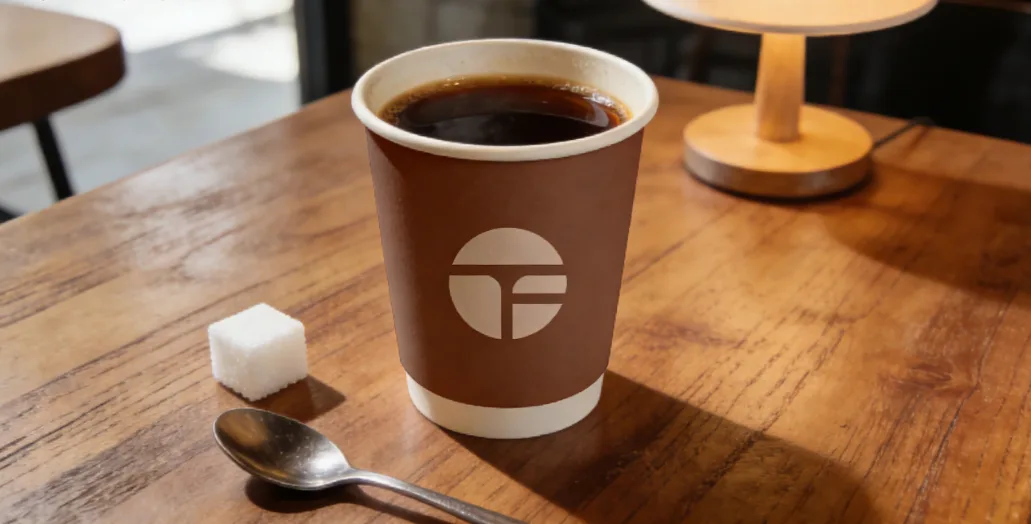
For a standard 12oz coffee cup, a base paper of 230 to 250 GSM paired with a 15-18g PE coating is the industry standard. This combination offers the necessary thermal insulation and structural rigidity to prevent the “squeezing” effect when a customer holds a hot beverage.
How does high stiffness cup paperboard impact production efficiency?
In the world of high-speed manufacturing, high stiffness cup paperboard is non-negotiable. Stiffness refers to the paper’s resistance to bending. If the paper is too soft, the cup body will deform during the knurling (bottom sealing) process, leading to a high scrap rate.
Factors Influencing Stiffness
- Fiber Length: Long fibers from softwood pulp provide better interlocking, resulting in higher stiffness.
- Bulkiness: Higher bulk (volume per unit weight) usually correlates with better stiffness at a lower weight.
- Moisture Content: Ideal moisture levels should be between 6% and 8% . If the paper is too dry, it becomes brittle; if too wet, it loses stiffness.
What are the key specifications to look for in a cup paper supplier?
When evaluating wholesale PE coated paper rolls, you must look beyond the price per ton. A reliable supplier should provide a technical data sheet (TDS) covering the following parameters:
Technical Checklist for Procurement
- Whiteness/Brightness: Ensures the colors pop during the printing process.
- Smoothness: Essential for the printability of PE coated paper, especially for high-end branding.
- Tensile Strength: The paper must withstand the tension of the automatic cup forming machine.
- Sizing Value (Cobb Value): Measures the water absorption of the paper side. A lower Cobb value indicates better water resistance.
Which paper grade is best for flexographic printing?
The printability of PE coated paper depends heavily on the surface treatment of the PE layer. For most cup manufacturers, Flexographic (Flexo) printing is the preferred method due to its use of food-safe, water-based inks.
Grading for Printing Performance
- Grade A (Premium): Features a high-gloss, corona-treated PE surface that ensures ink adhesion and prevents “picking” or smearing.
- Grade B (Standard): Suitable for simple logos and text with less ink coverage.
Pro Tip: Ensure your supplier uses Corona Treatment on the PE side. This process increases the surface energy of the plastic, allowing water-based inks to bond permanently to the smooth PE surface.
How to test the coating thickness of PE paper?
Consistency in PE thickness is vital for the heat-sealing process. If the PE layer is too thin, the cup will leak; if it’s too thick, it may cause scorching or uneven seams.
Standard Testing Procedures
- Micrometer Measurement: Measure the total thickness and subtract the known thickness of the base paper.
- Solvent Dissolution: Use a chemical solvent to dissolve the paper fibers, leaving the PE film intact for weighing.
- Burn Test: A quick field test where the paper is burned; the remaining plastic “skin” can be visually inspected for uniformity.
What causes leaking in PE coated paper cups?
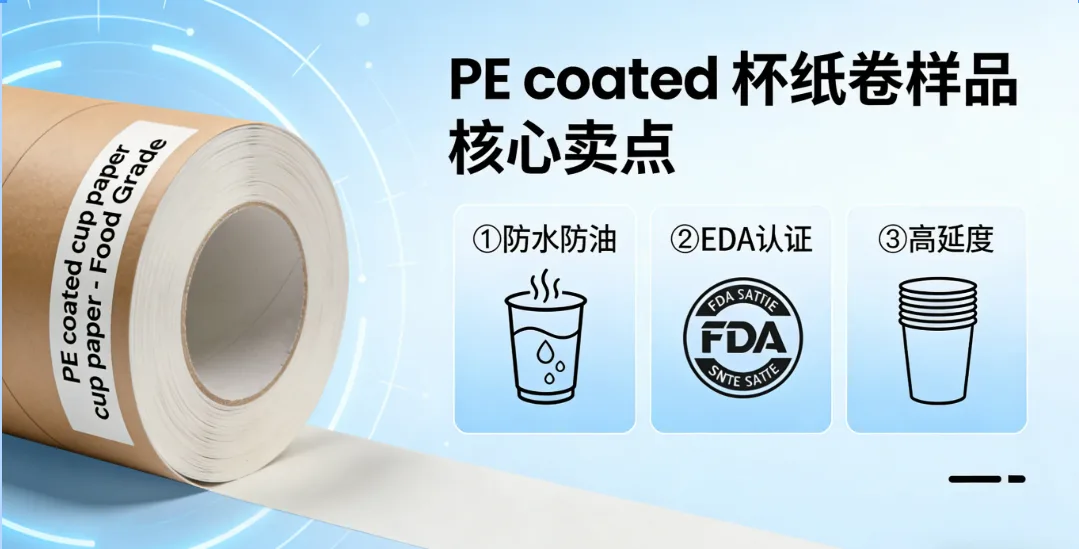
Leaking is the ultimate failure of a paper cup. While it can be caused by machine settings, the culprit is often the paper quality.
The Role of Edge Wick Resistance in Cup Paper
Edge wick resistance is the ability of the paper’s raw edge (inside the seam) to resist absorbing liquid. If the edge wick resistance is poor, coffee or tea will “wick” into the paper fibers through the side seam, causing the paper to soften and eventually leak.
Common Causes of Leaks:
- Poor Heat Sealability: The PE layer doesn’t melt uniformly, creating microscopic gaps.
- Low Edge Wick Resistance: The base paper has high capillary action.
- Pinholes in PE: Tiny holes in the plastic coating caused by impurities during the extrusion process.
[Image showing a close-up of a paper cup side seam with a “wicking” failure versus a clean seal]
How to ensure automatic cup forming machine compatibility?
Not all paper rolls are created equal. Even if the GSM is correct, the physical properties of the roll can disrupt an automatic cup forming machine.
Compatibility Requirements:
- Roll Tension: Must be uniform across the width of the roll to prevent “telescoping.”
- Slitting Quality: Edges must be clean and dust-free. Paper dust can clog the vacuum suction heads on the machine.
- Joint Marks: Suppliers should clearly mark any joints in the roll; excessive joints can lead to frequent machine downtime.
What are the environmental considerations for PE coated paper?
As sustainability becomes a global priority, many buyers are looking for alternatives or more efficient uses of PE.
- FSC Certification: Ensure your cup paper supplier is Forest Stewardship Council certified, guaranteeing the wood pulp comes from responsibly managed forests.
- Recyclability: While traditional PE is difficult to recycle, new “Easy-to-Recycle” coatings and thin-gauge PE technologies are reducing the environmental footprint.
Step-by-Step Guide: How to source the best PE coated paper
- Define Your Application: Determine if you need 1PE (hot) or 2PE (cold) and the required cup volume.
- Request Samples: Always test 2-3 rolls on your specific automatic cup forming machine before placing a bulk order.
- Verify Certifications: Ask for FDA, SGS, or ISO certifications to ensure food contact safety.
- Audit the Supplier: Inquire about their coating technology (Extrusion vs. Lamination) and their quality control for high stiffness cup paperboard.
FAQ
What are the most common quality issues in PE cup paper?
The most frequent issues include “delamination” (where the PE peels off the paper), inconsistent GSM, and poor ink adhesion. Choosing a supplier with advanced extrusion equipment and online thickness monitoring significantly reduces these risks.
Can I use 1PE paper for cold drinks?
It is not recommended. Cold drinks cause condensation on the outside of the cup. If the outside isn’t PE-coated, the paper will absorb the moisture, lose its stiffness, and collapse. Always use 2PE (double-sided) for cold beverages.
How do I calculate the amount of paper needed for 1 million cups?
This depends on the “blank” size (the fan-shaped piece of paper). Generally, you calculate the area of one blank, multiply by 1,000,000, and add a 5-10% waste factor for the skeleton scrap produced during die-cutting.
What is the shelf life of PE coated paper rolls?
When stored in a cool, dry place away from direct sunlight, PE coated paper usually has a shelf life of 12 to 24 months. Over time, the corona treatment may degrade, affecting the printability of the PE side.
Why is virgin pulp better than recycled pulp for cup paper?
Virgin pulp offers superior fiber strength, which is necessary for high stiffness cup paperboard. More importantly, virgin pulp is guaranteed to be free of contaminants, making it the only safe choice for direct food contact in most jurisdictions.