
Food Packaging Paper
Science and Application of Food Packaging Paper
GREASE-PROOF PAPER (OIL-PROOF PAPER)

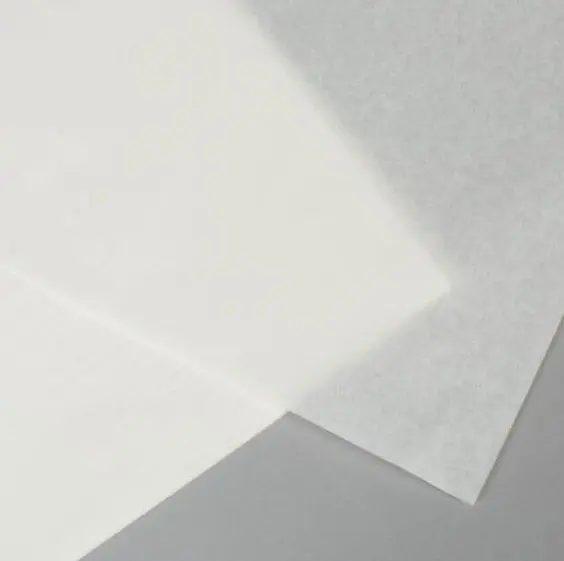
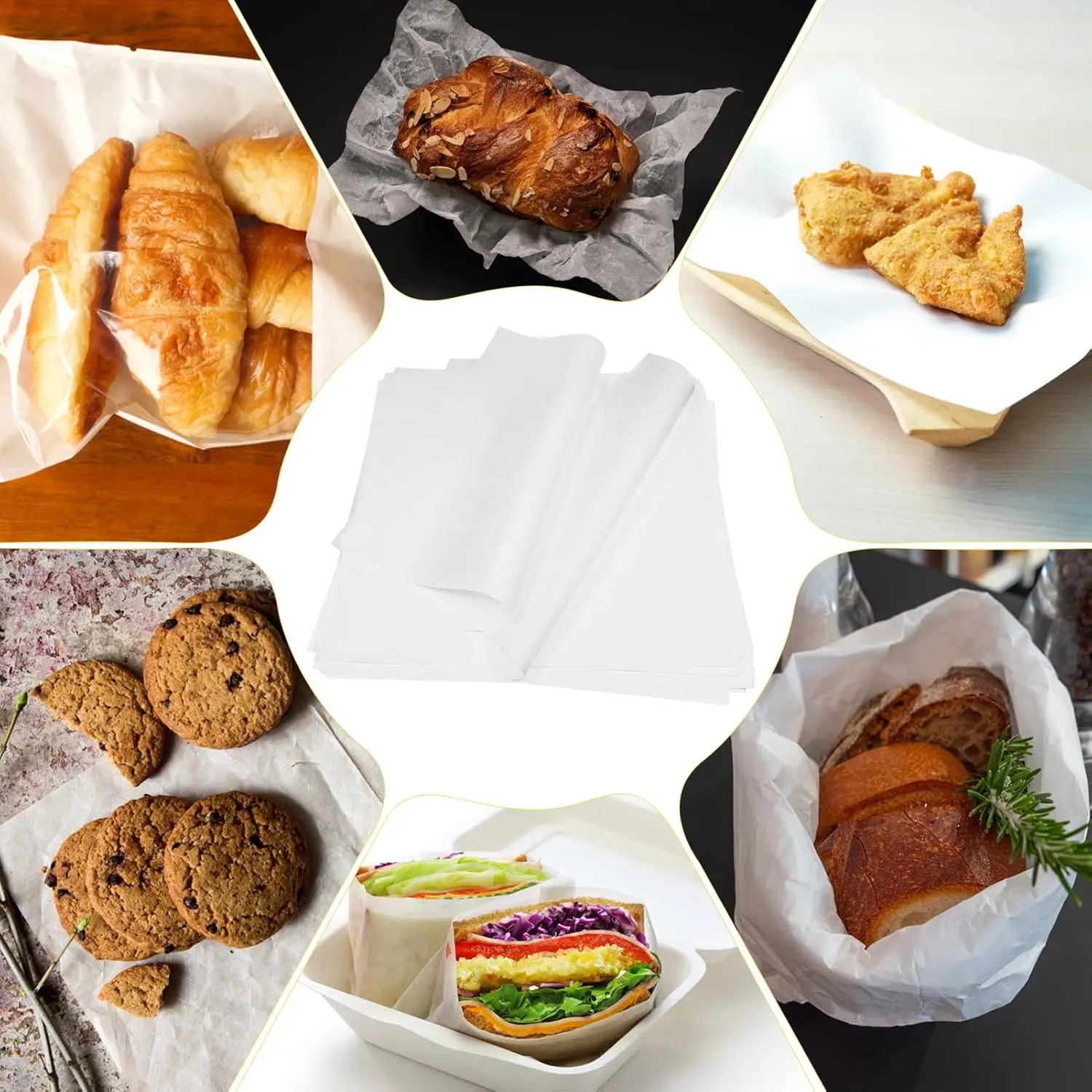
Raw paper preparation
The first step in the production of grease-proof paper is the preparation of raw paper. This step involves the raw material (e.g. wood pulp) being processed through high pulping degree to form pulp, which is further processed into paper substrate. This stage ensures the basic physical properties of the grease-proof paper, such as strength and thickness.
Impregnating solution preparation
In this step, impregnating solutions are prepared to enhance the oil repellent properties of the paper. Common dip-coat compositions include waterborne acrylics and other synthetic resins that form a stable and continuous oil-resistant layer after drying.
Coating step
The prepared adhesive is uniformly applied to the base paper using an extrusion applicator or similar equipment. This process requires a high degree of precision in controlling the thickness and uniformity of the coating to ensure optimum oil resistance.
Drying and calendering
The coated raw paper is dried in an oven and calendered in a soft calender. Drying and calendering not only cures the anti-oil coating, but also improves the overall gloss and flatness of the paper.
Oil resistance
The core characteristic of oil-resistant paper is its excellent oil resistance, which can effectively block the penetration of oil and grease. This is mainly attributed to its surface covered with chemical coatings, such as water-based acrylic coating, which dries to form a thin film that can effectively isolate grease stains. In the packaging of fried foods such as fried chicken and burgers, grease-proof paper demonstrates its temperature resistance of 100°C to 120°C, ensuring that the food retains its optimum flavor.
Environmentally friendly
Modern grease-proof paper production tends to use environmentally friendly materials, such as water-based acrylics instead of traditional oil-based chemicals, which not only reduces the impact on the environment, but also ensures the safety of the product in use.
Mechanical strength
Despite special chemical treatment, grease-proof paper still needs to maintain good mechanical strength, including tear and breakage resistance, in order to adapt to a variety of physical requirements for packaging and use.
Versatility
In addition to the basic oil-proof function, some grease-proof paper products can also have waterproof or other barrier properties, which is particularly important in dealing with oily and other liquid mixtures in the product packaging.
Oil-resistant grades are usually graded according to the ability of the paper to prevent penetration of oil and grease.The higher the grade, the better the paper’s oil resistance.
Temperature range
Grease-proof paper is usually able to maintain a stable grease-proof effect within a certain temperature range (below 120°C), and will not be damaged or lose its grease-proof function due to high temperature. For specific applications, such as cooking papers, this ensures safety at high temperatures.
Material stability
Heat resistance depends not only on the coating itself, but also on the stability of the paper substrate. High-quality base paper and effective coating formulations work together to stabilize the paper’s thermal stability and keep it functioning when it comes into contact with hot food or grease.
Food Packaging
Grease-proof paper is widely used to package foods containing grease, such as fast food, baked goods and fried foods. This kind of packaging not only prevents grease from getting through, but also maintains the freshness and flavor of the food.
Industrial use
In the industrial field, grease-proof paper is used to package and protect all kinds of mechanical and electronic components to prevent the leakage or penetration of oil and lubricant, especially during transportation and storage.
GREASE-PROOF PAPER (OIL-PROOF PAPER)
Raw material selection
The production of paraffin paper begins with the selection of a suitable base paper, usually parchment or high-quality paper is used as the substrate. The base paper must be dry enough to ensure uniform penetration of the wax solution in the subsequent steps.
Paraffin wax preparation
Paraffin wax is extracted from crude oil, and pure wax paste is obtained through solvent refining and dewaxing process, and then flaky or needle-like crystals are obtained through oil removal and additional refining.
Coating method
Before coating, the raw paper needs to be kept dry enough to ensure the wax solution is impregnated. Paraffin paper is generally coated by melt impregnation, but can also be solvent coated or slot coated. In some production processes, the coating is also carried out in the drying section of the paper machine or in the calender.
Moisture resistance
By coating or impregnating the paper with paraffin wax, paraffin paper acquires a very high resistance to moisture and water. This property makes paraffin paper ideal for wrapping items to prevent moisture intrusion.
The inherent properties of paraffin wax create a protective layer on the surface of the paper, effectively blocking moisture from air and water from coming into direct contact with the paper.
Grease resistance
In addition to moisture, paraffin paper shows excellent resistance to grease penetration. This allows it to keep the contents clean and hygienic when packaging oily or greasy foods. This property is especially important for maintaining freshness and preventing outside contamination.
Environmentally degradable
One of the outstanding advantages of paper-based paraffin paper is its environmental degradability. In the current context of high global concern for environmental protection, this material offers a sustainable option.
Translucency
Paraffin-treated paper has a certain translucency effect, which is aesthetically pleasing and makes it easy to inspect the contents of the package.
Paraffin paper usually has a high oil resistance rating because the paraffin wax layer on its surface is very effective in blocking oils and grease. The specific grade depends on the thickness and uniformity of the wax coating.
Temperature range
Paraffin paper is resistant to temperatures between approximately 60°C and 80°C because paraffin wax softens and may melt at high temperatures. This limits its use in high temperature scenarios.
Material stability
Although the heat resistance is not very high, the oil and moisture resistance of paraffin paper remains stable under normal conditions of use and storage.
Food Packaging
Mainly used for packaging candy, bread, sandwiches, cookies and packaging cold food and other meat products.
The moisture-proof and grease-proof properties of paraffin paper ensure the dryness and cleanliness of food during storage and transportation.
Pharmaceutical packaging
Due to its moisture-proof properties, paraffin paper is also widely used in pharmaceutical packaging. It can effectively protect medicines from moisture, thus maintaining their efficacy and extending their shelf life.
Industrial application
In the non-food field, paraffin paper is used in occasions that require moisture-proof or oil-proof, such as the packaging of electronic components and metal parts to prevent rusting and contamination, which is especially important for the long-term storage and transportation of metal products.
SILICONE OIL PAPER (PARCHMENT PAPER/ BAKING PAPER)
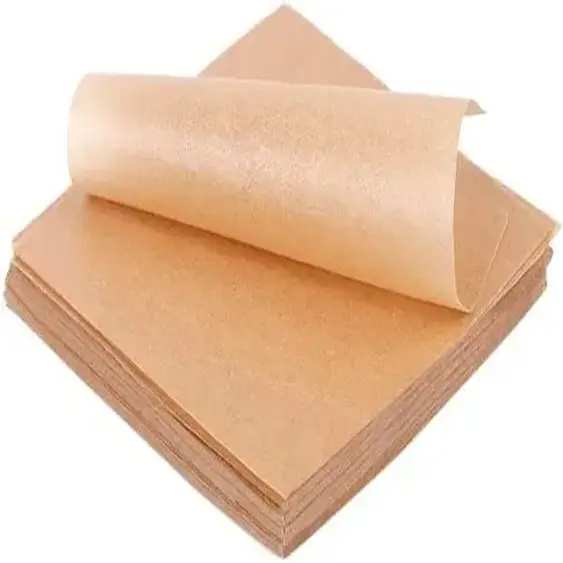
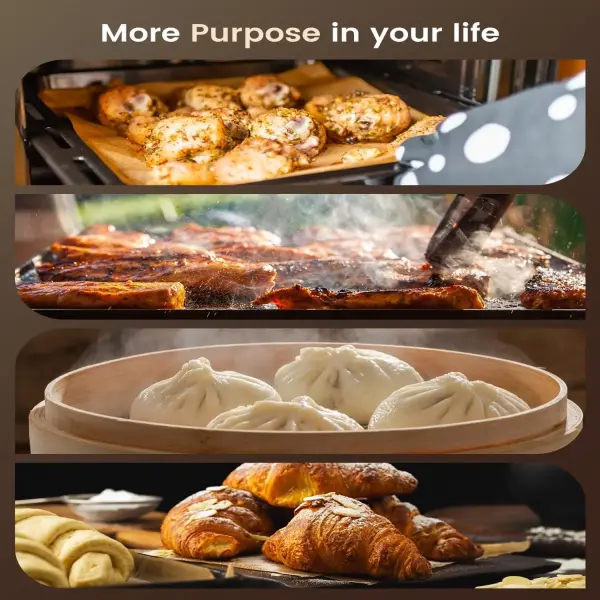
Preparation of raw materials
To produce silicone oil paper, the first step is to select suitable raw paper as the base paper, typically opting for higher-quality paper to ensure sufficient strength and smoothness. Silicone oil, a colorless, odorless, and non-toxic organic compound with excellent high-temperature resistance, chemical resistance, and insulation properties, is an essential core material in the production.
Coating process:
The production process involves evenly coating silicone oil on the paper surface (either single-sided or double-sided silicone coating), followed by curing through processes like drying. Strict control over the uniformity of silicone oil distribution and its thickness is required during coating to ensure consistent performance of the final product.
High temperature resistance
Since silicone oil itself is highly temperature-resistant, silicone oil paper can withstand temperatures up to 230 °C or more without losing its waterproof and oil-resistant functions due to temperature increases.
Moisture and oil resistance
The surface of silicone oil paper is coated with a layer of silicone oil, giving it excellent resistance to moisture and oil, effectively preventing the penetration of water and oil. It is thus very suitable for packaging products with high water or grease content.
Anti-adhesive
This excellent anti-adhesive property makes silicone paper ideal for baking high-temperature foods such as bread and cakes.
Wide range of uses
Silicone oil paper is not only used for food packaging but also widely applied in industries like electronics and printing. In the food industry, it is often used to package pastries, baked meat, fried food, etc., preventing food from directly contacting the packaging material and ensuring food safety and taste.
High oil-proof performance: The oil-proof performance of silicone oil paper is generally high, because the silicone oil layer can effectively block the penetration of oil and grease. This characteristic makes silicone oil paper especially suitable for food packaging, especially those products with high oil content.
Food Packaging
Due to its excellent moisture and oil resistance, silicone oil paper is widely used in food packaging, especially those foods that need moisture or oil resistance, such as pastries, roasted meat, fried food, etc.
Electronics and printing industry
In the electronics industry, silicone oil paper is used to protect electronic components from moisture and oil; in the printing industry, the use of silicone oil paper can prevent excessive penetration of ink and ensure printing quality.
SULPHITE PAPER (SULPHURIC ACID TRANSFER PAPER)
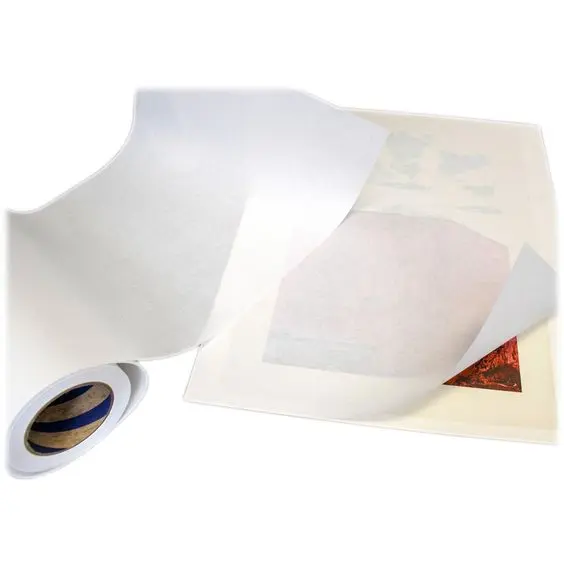
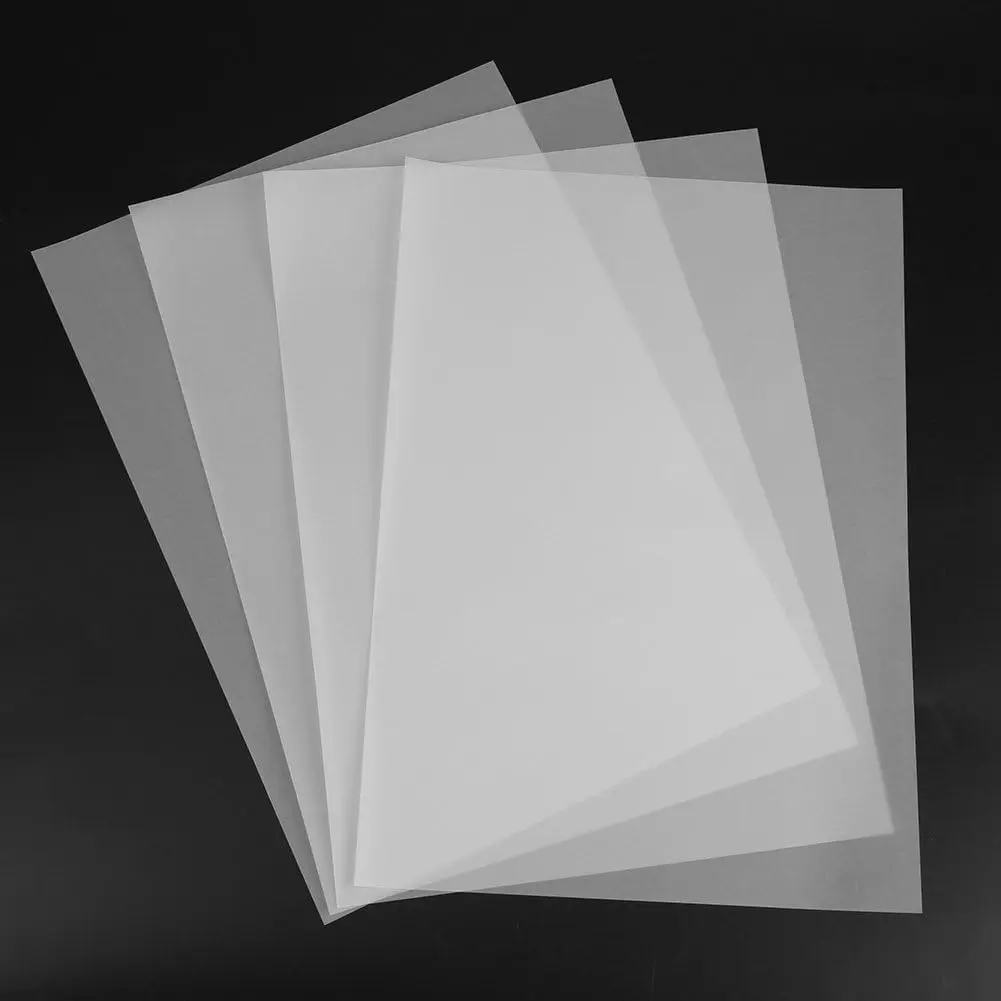
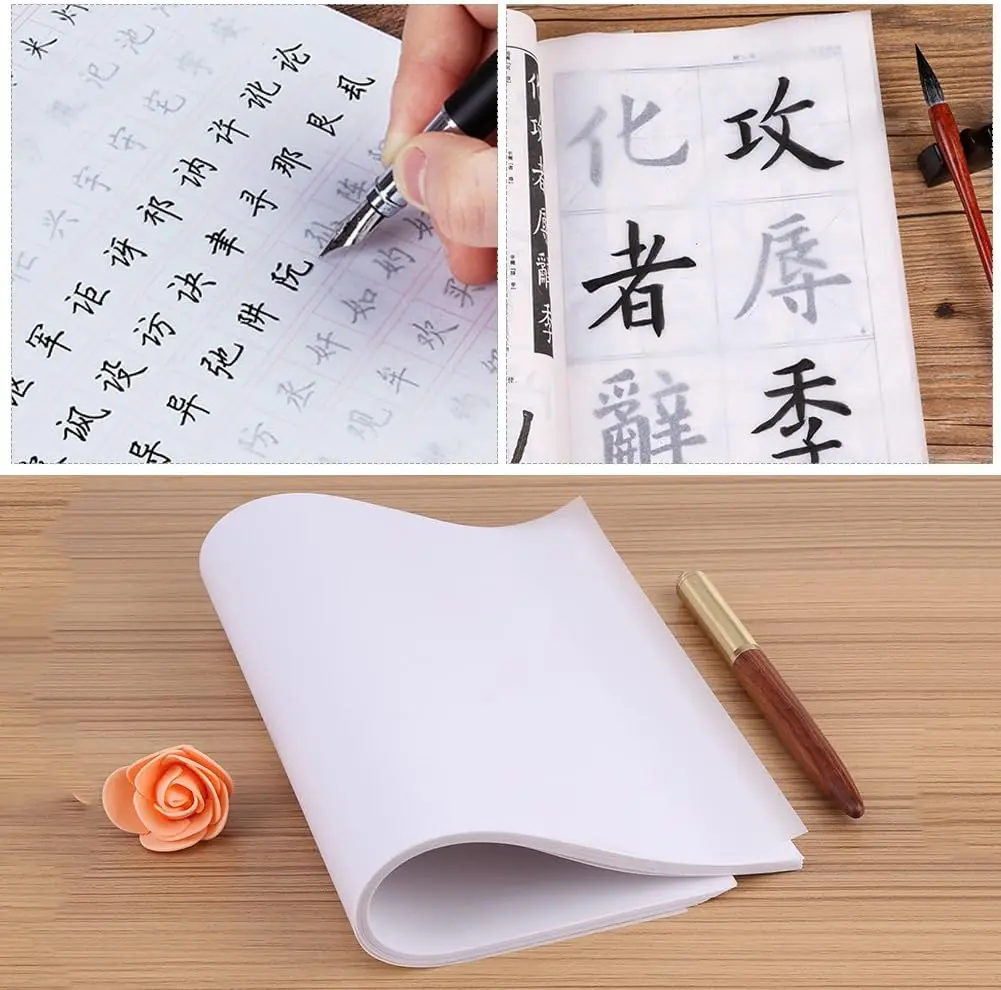
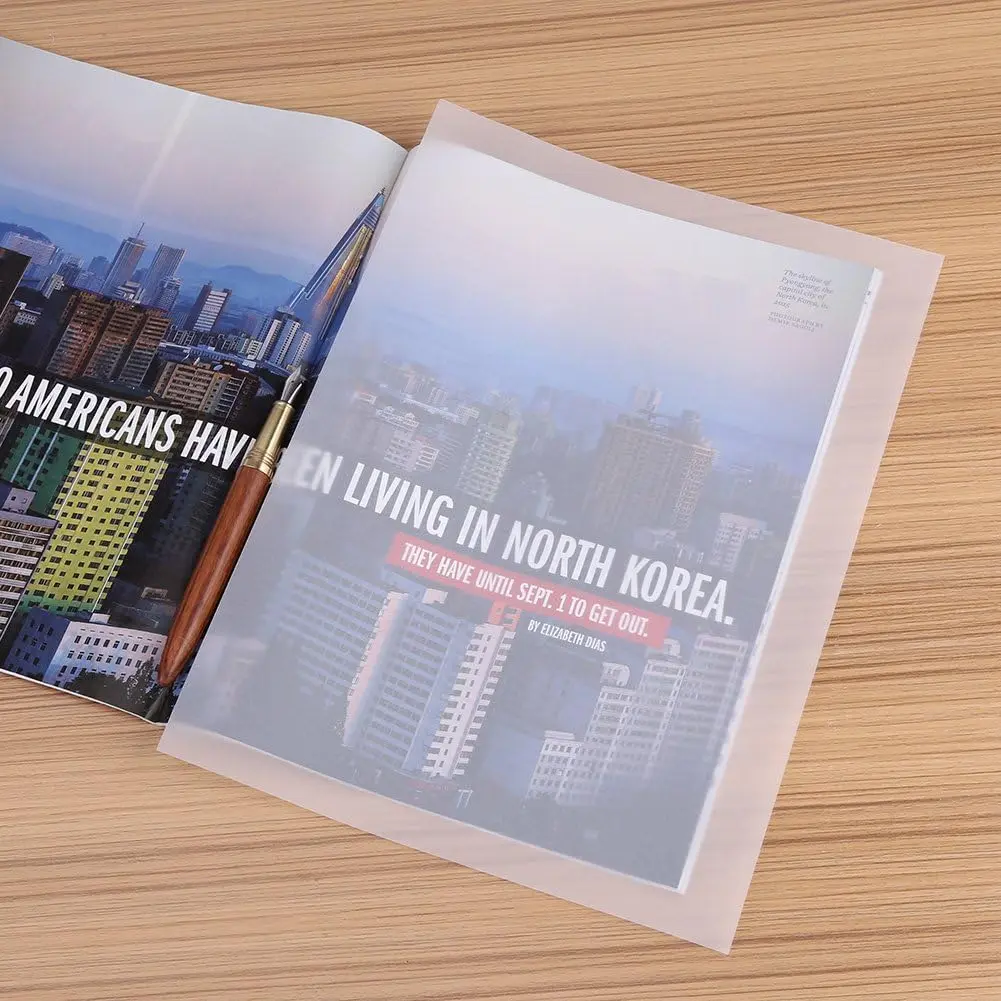
The production of sulphite paper starts with choosing high-quality plant fibers as raw materials. These fibers undergo special treatment during production to ensure the paper’s quality and transparency. Specifically, the plant fibers first go through free pulping, where they’re physically treated in a moist state to loosen them.
After pulping, the paper is treated with concentrated sulfuric acid – which is how “Sulphite paper” gets its name. At this stage, the paper is soaked in 72% sulfuric acid for 2 to 3 seconds. This process breaks down some components in the plant fibers, improving the paper’s transparency.
After the sulfuric acid treatment, the paper must be washed with a large amount of water to remove residual acid. Then, it’s treated with glycerin to flatten the paper and boost its durability. Finally, the paper is dried and processed to become the final product.
High degree of transparency and purity
This is especially vital in professional platemaking and printing, where precise lines and clear images are needed.
High temperature resistance
The ability to stay physically and chemically stable at higher temperatures is crucial for printing and plate making operations that involve high temperatures.
Other characteristics
It’s not easy to deform, has strong resistance to oil and water, but poor breathability….
Sulphite paper is widely used in hand tracing, CAD plotters, laser printing and other professional fields. Its excellent transparency and non-deformation properties make it particularly suitable for precise engineering drawings and technical documentation.
In the field of fine art printing and archival records, the sunlight and aging resistance of sulphite paper ensures that documents remain legible for a long time with high color fidelity.
other laminated papers
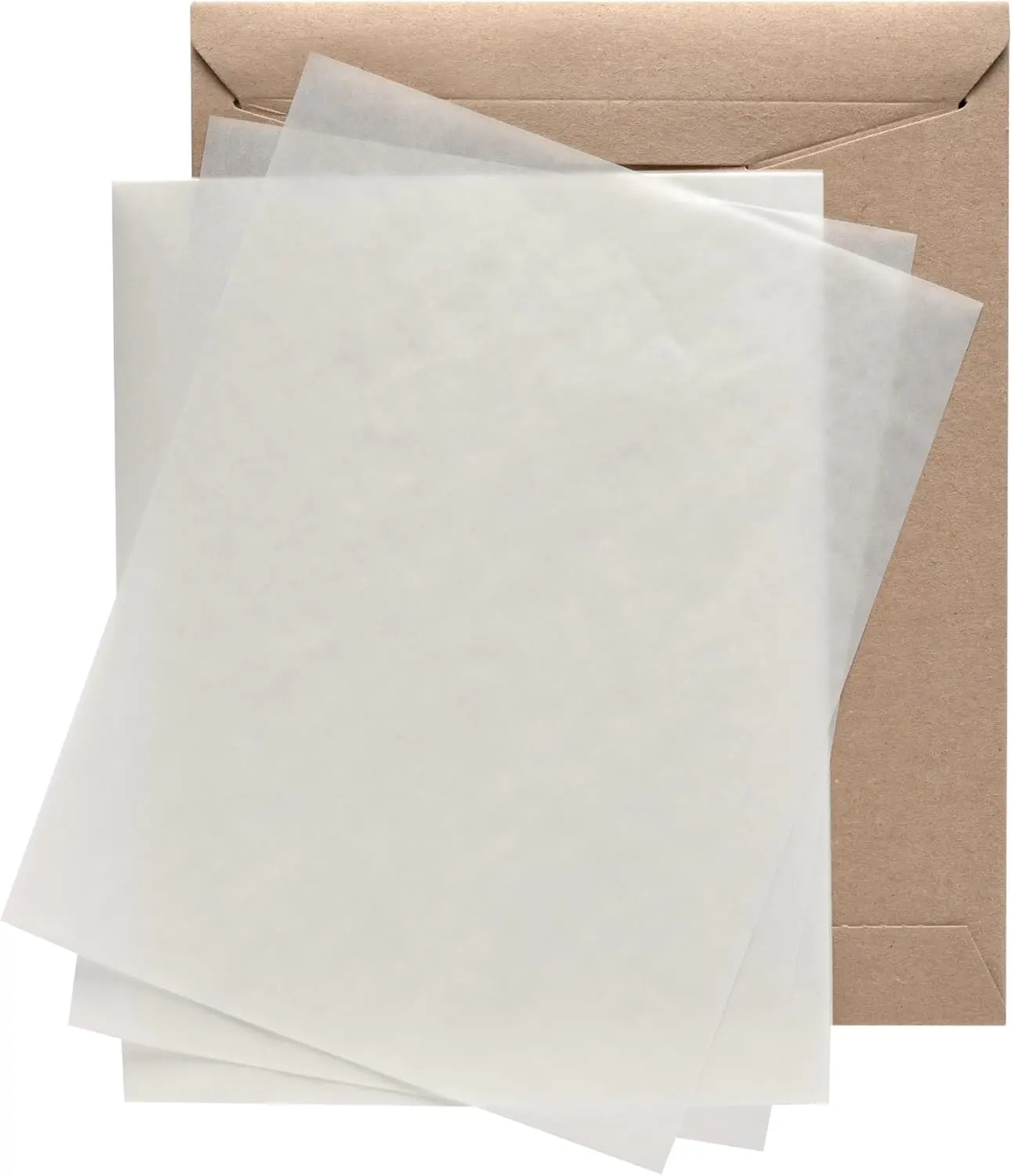

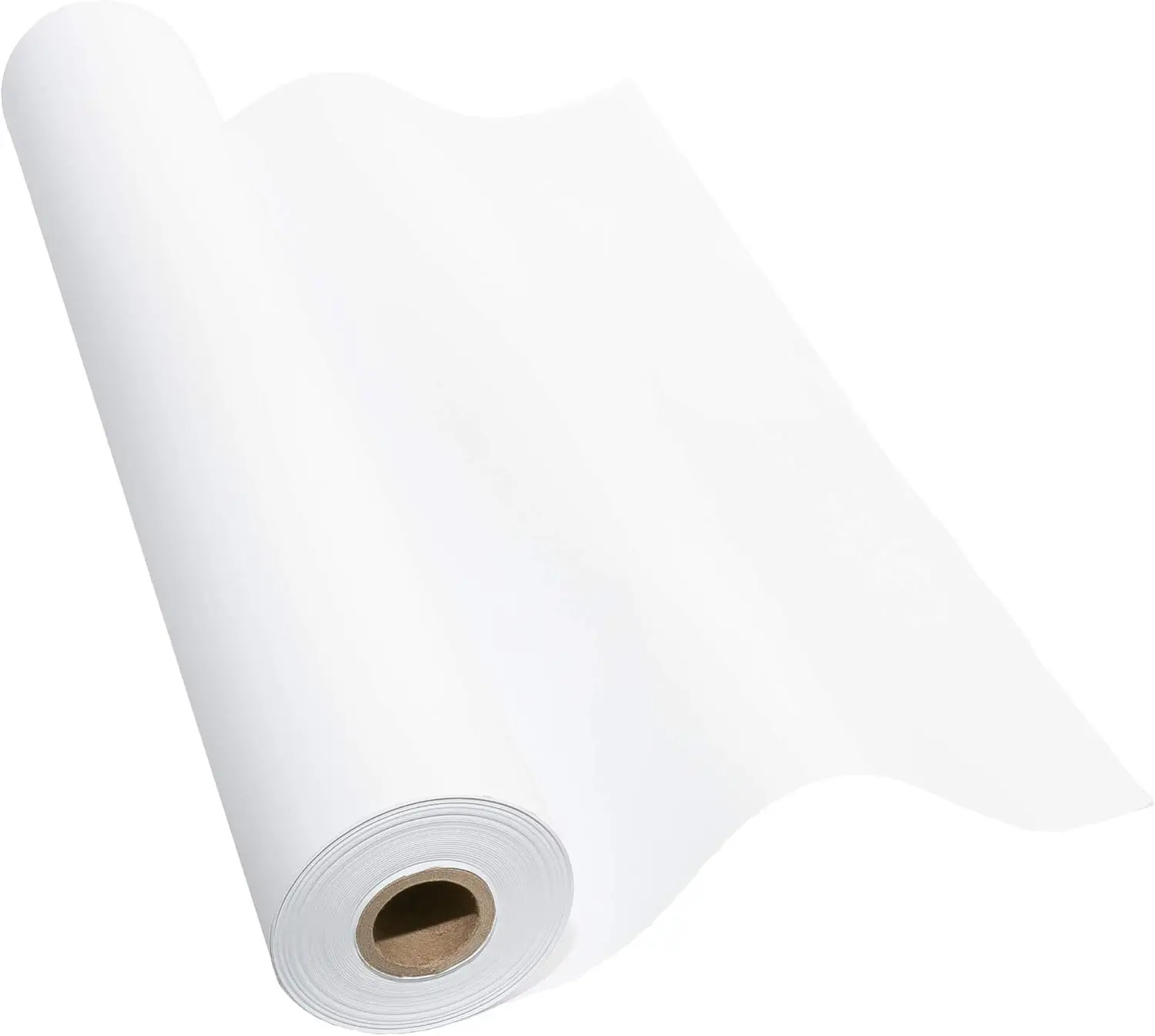
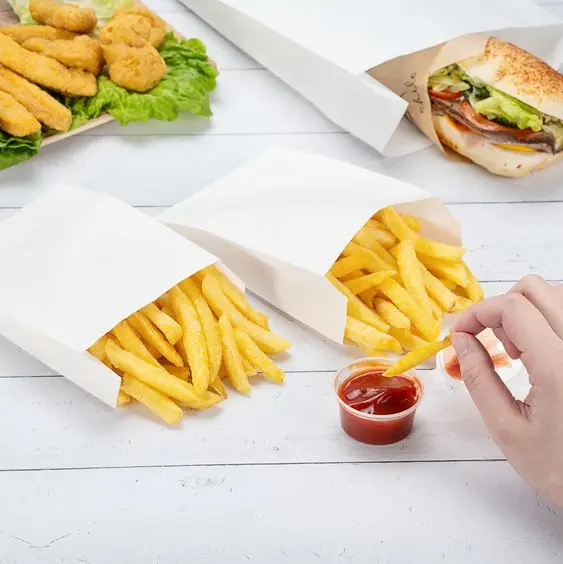
White kraft laminated paper, as a high-strength, high-breakage-resistant food packaging material, was created to provide new ideas for hot food packaging.
Made of kraft paper treated with PE (polyethylene) lamination, white kraft lamination paper not only has good waterproof performance, but also has a temperature resistance of up to 110°C, which is very suitable for packaging barbecue, cooked food and so on.
Grazian laminates stand out in the field of high-end food packaging with their excellent gloss and smoothness.Made from high-quality thin paper treated with PE lamination, Grazian laminates are commonly used for packaging high-end foodstuffs such as chocolates and confectionery, and are resistant to temperatures of around 100°C.From the preparation of the Grazian paper to the PE lamination, to cooling and cutting, every step of the process reflects the quest for perfection.
| Packaging Paper Type | Basics | Characteristics | Heat Resista | Application Scenarios |
| Grease-proof Paper | Made from wood pulp, coated with grease-resistant agents | 1. Grease-resistant 2. Environmentally friendly 3. Strong mechanical strength 4. Multi-functional(waterproof, barrier properties) | below 120°C | 1. Food packaging (fast food, baked goods, fried foods) 2. Industrial use (packaging and protecting mechanical and electronic |
| Waxed Paper | Coated or impregnated with food- grade wax on one or both sides | 1. Moisture-resistant 2. Grease-resistant 3. Non-polar solvent resistant 4. Environmentally friendly and biodegradable 5. Semi-transparent | 60°C - 80°C | 1. Food packaging (candies, bread, sandwiches, cookies, cold meats) 2. Pharmaceutical packaging 3. Industrial applications (packaging electronics, metal parts) |
| Silicone Oil Paper | Paper coated with silicone oil, a colorless, odorless, and nontoxic organic compound | 1. High heat resistance (over 230°C) 2. Moisture-resistant 3. Grease-resistant 4. Non-stick properties 5. Versatile applications | Up to 230°C+ | 1. Food packaging (cakes, roasts, fried foods) 2.Electronics industry (protecting electronic components) 3.. Printing industry (preventing ink over-penetration) |
| Sulfuric Paper | Made from specially treated high- quality plant fibers, soaked in concentrated sulfuric acid | 1. High transparency and purity 2. Heat resistance (up to 170°C) 3. Resistant to deformation, grease, and water (poor air permeability) | Up to 170°C | 1. Engineering drawings 2. CAD plotting 3. Laser printing 4. Fine art printing and archival recording |
| White Kraft Paper with PE Lamination | High-strength kraft paper laminated with polyethylene (PE) | 1. Waterproof 2. High temperature resistance (up to 110°C) 3. Strong and puncture-resistant | Up to 110°C | Packaging hot foods, barbecue, cooked food |
| Glassine Paper with PE Lamination | High-quality thin paper laminated with PE, known for its gloss and smoothness | 1. Excellent gloss and smoothness 2. Water-resistant 3. Moderate heat resistance (up to 100°C) | Up to 100°C | Premium food packaging (chocolates,candies) |