
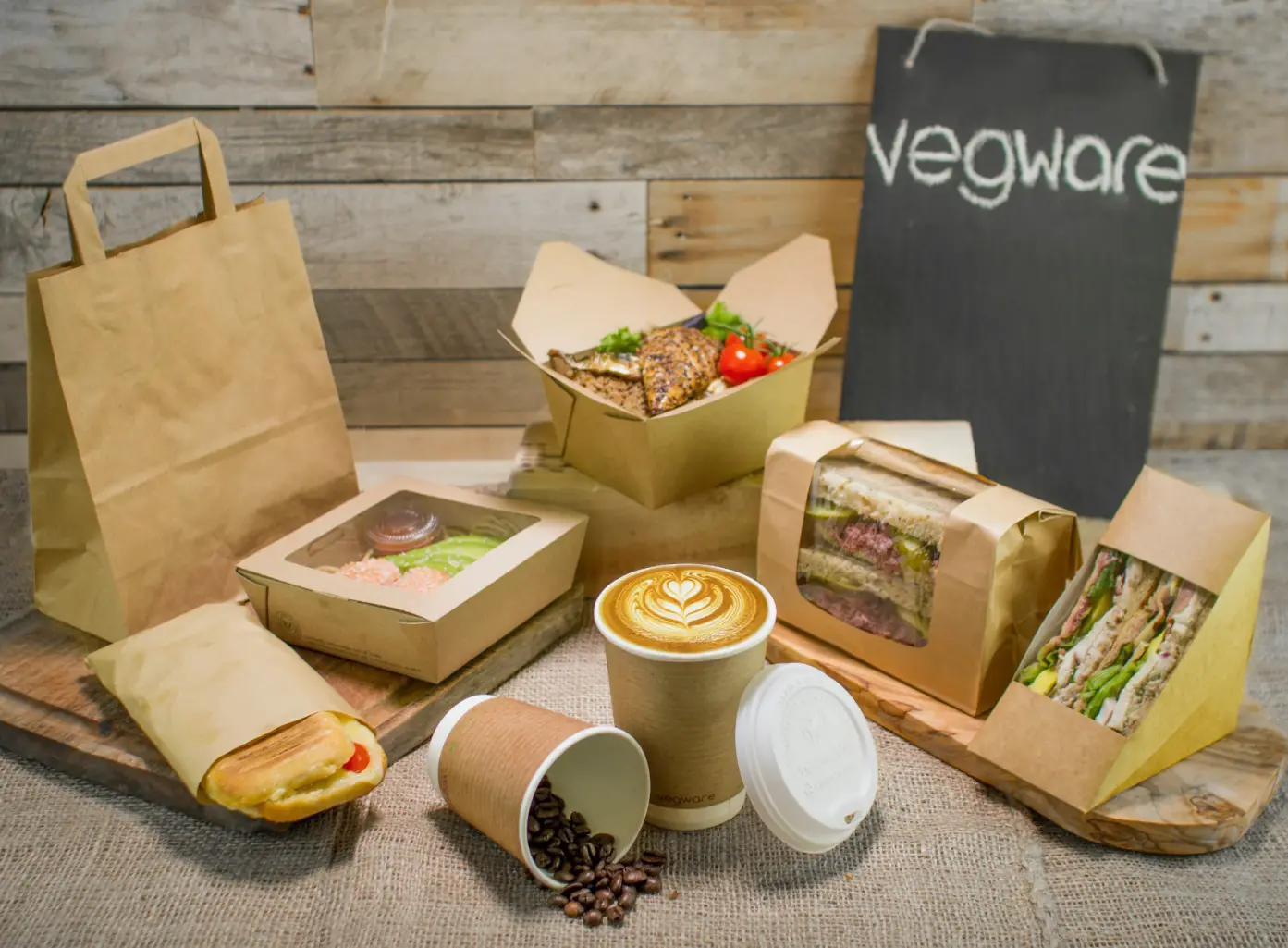

In today’s world, the issue of food waste and its impact on the environment has attracted increasing attention. As we strive to find sustainable solutions, the role of packaging in protecting food throughout the value chain must be considered. This is where Paper packaging comes into play, combining functionality, sustainability and environmental benefits.
Any assessment of the environmental impact of food packaging must consider the positive benefits of reducing food waste throughout the supply chain. Severe food waste is reported in many countries, ranging from 25% of grain to 50% of fruits and vegetables (FAO 1989). Inadequate preservation/protection, storage and transportation are cited as causes of food waste. Packaging reduces overall waste by extending the shelf life of food products, thus extending their usability.
Paper packaging has proven to be a reliable and sustainable choice when it comes to protecting food. It provides a protective barrier against external factors such as moisture, light and air, which can compromise the quality and safety of food. In addition, paper packaging is versatile and can be customized to specific requirements, ensuring that different types of food products are fully protected throughout the supply chain.

One of the main advantages of paper packaging is its ability to extend the shelf life of food. By creating a protective environment, paper packaging helps preserve the freshness and quality of food, reducing the potential for spoilage and waste. This not only benefits consumers, ensuring they receive high-quality products, but also helps reduce food waste at both retail and consumer levels.
In addition to its protective properties, paper packaging also offers environmental benefits consistent with sustainability principles. Unlike many other packaging materials, paper is renewable, recyclable and biodegradable. This means it can be responsibly sourced from sustainably managed forests, recycled after use, and ultimately biodegrade at the end of its life cycle. By choosing paper packaging, we can minimize the environmental impact of packaging waste and contribute to a more circular and sustainable economy.
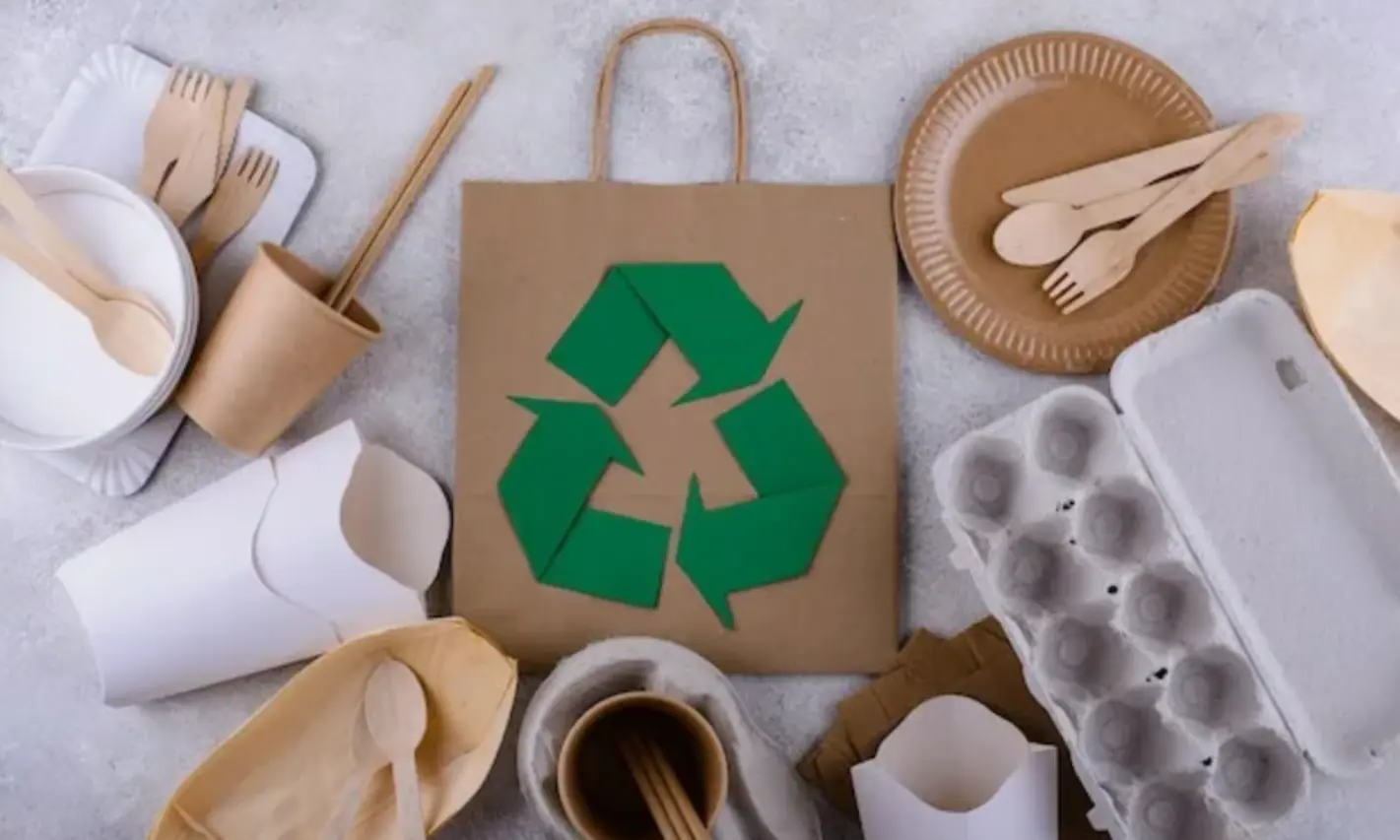
In addition, the use of paper packaging helps reduce greenhouse gas emissions and energy consumption. The production of paper packaging generally requires less energy and has a lower carbon footprint than alternative materials. Additionally, recycling of paper packaging helps conserve resources and reduce the environmental footprint associated with packaging production.
It’s important to realize that the benefits of paper packaging go beyond protecting food and the environment. Paper packaging also serves as a communication platform, providing consumers with valuable information about the products they purchase. Whether it’s nutritional facts, cooking instructions or branding elements, paper packaging plays a vital role in communicating essential details to consumers, while also serving as a canvas for creative and engaging design.
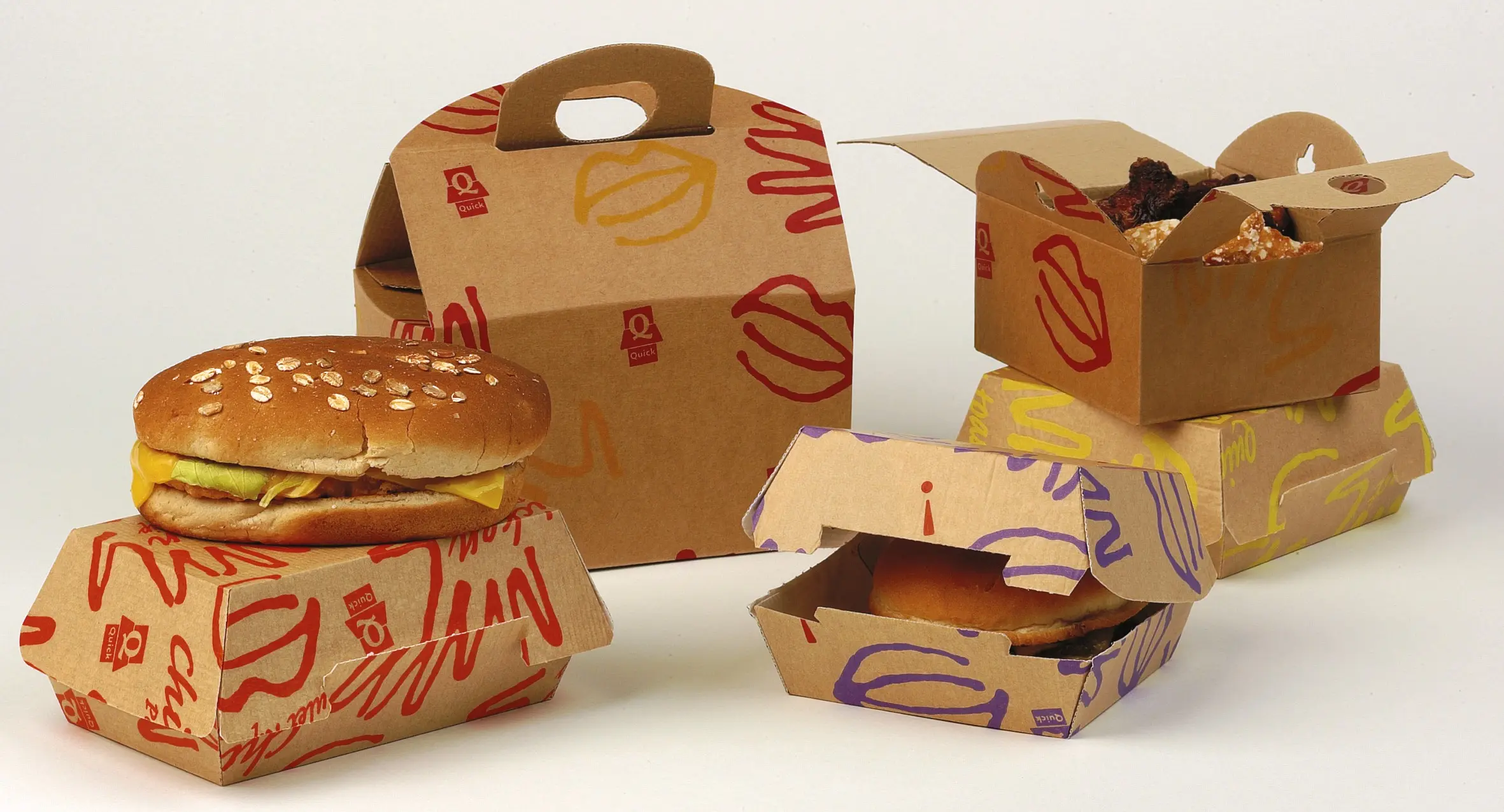
Looking to the future, the continued development and innovation of paper packaging will further enhance its ability to protect food and contribute to a more sustainable food system. From advances in barrier technology to the design of more efficient and resource-saving packaging solutions, paper packaging has huge potential to drive positive change across the entire value chain.
Overall, we believe in the power of paper packaging to protect food and the environment. By extending the shelf life of food, minimizing waste and providing sustainable and versatile solutions, paper packaging plays a vital role in ensuring the supply of high-quality food while reducing its impact on the environment. As we continue to prioritize sustainability and responsible consumption, paper packaging demonstrates the potential for innovative and environmentally friendly solutions in the packaging industry.