


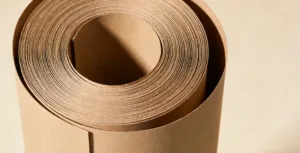


In an era where corporate social responsibility (CSR) is no longer a luxury but a mandate, businesses are scrutinizing every aspect of their supply chain. One of the most impactful yet overlooked areas is paper procurement. As we move through 2025, the shift toward a circular economy has elevated certain materials above others. This guide explores the most effective eco-friendly paper types to help your business reduce its environmental impact while maintaining professional standards.
Why should businesses switch to eco-friendly paper?
The transition to sustainable paper is driven by more than just environmental altruism; it is a strategic business move. Traditional paper production is a leading cause of deforestation and high energy consumption. By switching to green alternatives, companies can achieve:
- Brand Reputation Enhancement: Modern consumers prioritize brands that demonstrate environmental stewardship.
- Carbon Footprint Reduction: Paper choices to reduce corporate carbon footprint are direct actions that show up in ESG (Environmental, Social, and Governance) reports.
- Regulatory Compliance: Many regions are introducing stricter “Green Procurement” laws that mandate the use of recycled or certified materials.
- Waste Mitigation: Using biodegradable and easily recyclable materials simplifies the end-of-life process for business collateral.
What does FSC certification mean in business paper sourcing?
The FSC certified paper label is the gold standard in the industry. The Forest Stewardship Council (FSC) is an international non-profit that promotes responsible management of the world’s forests. When a business procures FSC-labeled paper, it ensures the wood fiber is sourced from forests that provide environmental, social, and economic benefits.
Understanding the three FSC labels
| Label | Meaning for Your Business |
|---|---|
| FSC 100% | All fiber comes from FSC-certified, well-managed forests. |
| FSC Recycled | The paper is made from 100% reclaimed material (post-consumer or pre-consumer). |
| FSC Mix | A mixture of materials from FSC-certified forests, recycled materials, and controlled wood. |

Which types of paper have the least environmental impact?
Determining the “best” paper depends on the lifecycle analysis (LCA). Generally, papers that require the least amount of water, chemicals, and virgin timber are considered the most sustainable. Here are the top 7 types dominating the market in 2025.
Is post-consumer recycled paper the best choice for offices?
Post-consumer recycled (PCR) paper is manufactured from paper waste that has already reached the end-user and been discarded. This is the cornerstone of green office paper for businesses.
- Environmental Benefit: It diverts waste from landfills and reduces the need for “virgin” pulp.
- Technical Performance: Modern PCR paper offers brightness levels and printer compatibility nearly identical to virgin paper.
- Energy Savings: Producing recycled paper uses approximately 40% less energy than producing paper from virgin wood fibers.
How does bamboo paper compare to traditional wood pulp?
Bamboo is a “super-material” in the sustainable paper industry. Technically a grass, bamboo grows significantly faster than trees—reaching maturity in 3–5 years compared to 20–50 years for timber.
- Yield: Bamboo produces more fiber per acre than traditional forests.
- Carbon Sequestration: Bamboo generates 35% more oxygen than an equivalent stand of trees.
- Application: It is exceptionally soft and durable, making it ideal for high-end stationery and biodegradable commercial packaging paper.
What are the benefits of using hemp paper for business collateral?
Hemp paper is seeing a massive resurgence. A single acre of hemp can produce as much paper as four acres of trees over a 20-year cycle.
- Chemical-Free Processing: Hemp requires fewer chemicals for bleaching because it has low lignin content.
- Durability: Hemp fibers are significantly stronger than wood fibers, meaning hemp paper does not yellow or crack as easily over time.
- Recyclability: While wood-based paper can be recycled about 5-7 times, hemp fibers can be recycled up to 10 times.
Why is stone paper becoming a popular tree-free alternative?
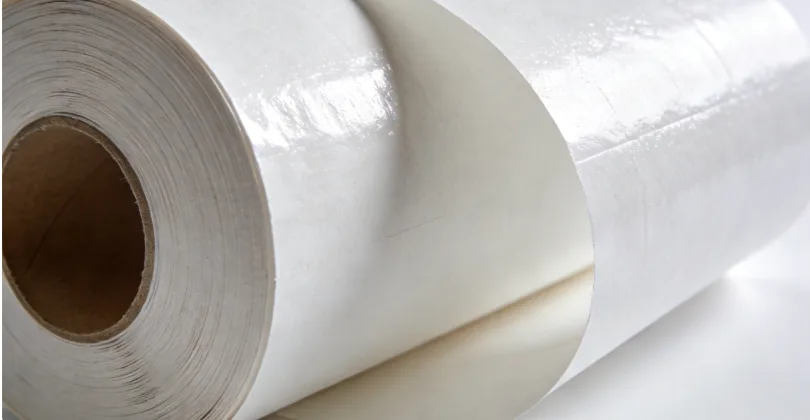
Stone paper is a unique innovation made from calcium carbonate (often sourced from marble quarry waste) and a small percentage of high-density polyethylene (HDPE).
- Waterless Production: Unlike traditional paper, which uses thousands of gallons of water per ton, stone paper production uses zero water.
- Durability Features: It is naturally waterproof, greaseproof, and tear-resistant.
- End-of-Life: It is photodegradable, meaning it will revert back to calcium carbonate over time when exposed to sunlight.
What is the difference between recycled and virgin paper?
Understanding the difference between recycled and virgin paper is crucial for procurement officers. Virgin paper is made from 100% new wood pulp, while recycled paper incorporates previously used fibers.
Comparison of Technical Properties
| Feature | Virgin Paper | Recycled Paper (PCR) |
|---|---|---|
| Fiber Length | Long and strong | Shorter (due to processing) |
| Texture | Very smooth | Can be slightly textured |
| Brightness | High (often chemically bleached) | Naturally slightly off-white |
| Eco-Impact | High (deforestation risk) | Low (circular economy) |
How to implement a green paper procurement strategy?
Switching to sustainable materials requires a systematic approach. Follow these steps to transition your office:
- Conduct an Audit: Measure your current paper consumption (tonnage and cost).
- Verify Certifications: Ensure all suppliers provide FSC certified paper or equivalent PEFC certifications.
- Optimize Weights: Use lower “gsm” (grams per square meter) for internal documents to reduce total material use.
- Digitize Processes: Use paper only for essential physical touchpoints, such as premium packaging or legal documents.
- Educate Employees: Ensure staff understand the importance of choosing the “Green Office” option in the printer settings.
Frequently Asked Questions
Why is eco-friendly paper sometimes more expensive than standard paper?
The price difference often stems from the scale of production and the specialized processing required for alternative fibers like hemp or stone. However, as demand for green office paper for businesses increases, the price gap is narrowing, and many companies find that the brand value outweighs the marginal cost increase.
Can recycled paper be used in high-speed office printers?
Yes, modern recycled paper is engineered to meet high performance standards. High-quality FSC certified paper with 30%, 50%, or even 100% recycled content is designed to prevent jamming and ensure ink adhesion in both laser and inkjet printers.
Is stone paper truly biodegradable in a commercial setting?
Stone paper is photodegradable rather than traditionally compostable. It breaks down under UV light exposure over 12 to 18 months. For biodegradable commercial packaging paper needs, materials like bamboo or agricultural waste (bagasse) are often better suited for industrial composting facilities.
What is the most sustainable paper for luxury packaging?
For luxury brands, hemp and FSC-certified heavy-weight cardstock are the top choices. These materials offer a premium tactile feel and superior strength while communicating a commitment to reducing the corporate carbon footprint through high-quality, sustainable sourcing.
How do I know if a paper is genuinely eco-friendly?
Look for third-party certifications. Beyond the FSC, look for the “Blue Angel” eco-label, “PCF” (Process Chlorine Free) marks, and “ISO 14001” certification from the manufacturer. These labels provide a verified audit trail, ensuring the paper meets strict environmental and performance criteria.