


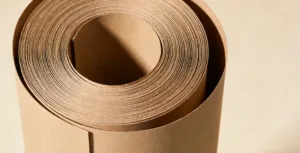


In recent years, there has been a noticeable shift in consumer behavior towards more sustainable and eco-friendly products. This trend has extended to the food industry, where there is a growing demand for sustainable packaging solutions. One particular trend that has gained traction is the use of food wrapping paperas an alternative to traditional plastic and foil packaging. This article will explore the food Wrapping Paper trend, its benefits, and its impact on the food industry.
The use of food wrapping paper as a packaging material has gained popularity due to its eco-friendly and biodegradable nature. Unlike plastic and foil, which can take hundreds of years to decompose, food wrapping paper is made from natural materials such aS Paper, wax, and in some cases, plant-based coatings. This makes it a more sustainable option for packaging food products, as it reduces the environmental impact of packaging waste.

According to a report by Grand View Research, the global food wrapping paper market is expected to reach a value of $12.47 billion by 2025, with a compound annual growth rate (CAGR) of 4.5%. This growth can be attributed to the increasing consumer awareness about the environmental impact of packaging materials, as well as the stringent regulations imposed by governments to reduce plastic waste.
One of the key benefits of using food wrapping paper is its versatility. It can be used to wrap a wide range of food products, including sandwiches, baked goods, deli meats, and cheese. This versatility makes it an attractive option for food businesses looking to adopt more sustainable packaging solutions. In addition, food wrapping paper can be customized with branding and designs, making it an appealing choice for businesses looking to enhance their brand image.
Furthermore, food wrapping paper offers excellent preservation properties, helping to extend the shelf life of food products. The wax or plant-based coatings used in food wrapping paper provide a barrier against moisture and air, helping to keep food fresh for longer periods. This can result in reduced food waste, which is a significant concern for both consumers and businesses.
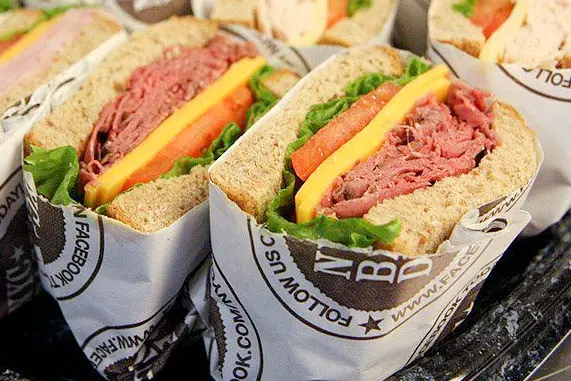
The food wrapping paper trend has also been embraced by major food retailers and fast-food chains. Many leading food companies have made commitments to reduce their environmental footprint by incorporating sustainable packaging solutions into their operations. This has led to an increased demand for food wrapping paper as a viable alternative to traditional packaging materials.
Despite the numerous benefits of food wrapping paper, there are some challenges associated with its widespread adoption. One of the main challenges is the cost, as food wrapping paper can be more expensive than traditional plastic and foil packaging. However, as the demand for sustainable packaging continues to grow, the cost of food wrapping paper is expected to become more competitive.
In conclusion, the food wrapping paper trend represents a significant shift towards more sustainable and eco-friendly packaging solutions in the food industry. With its biodegradable nature, versatility, and preservation properties, food wrapping paper offers a compelling alternative to traditional packaging materials. As consumer demand for sustainable products continues to rise, the food wrapping paper trend is expected to play a pivotal role in shaping the future of food packaging.