
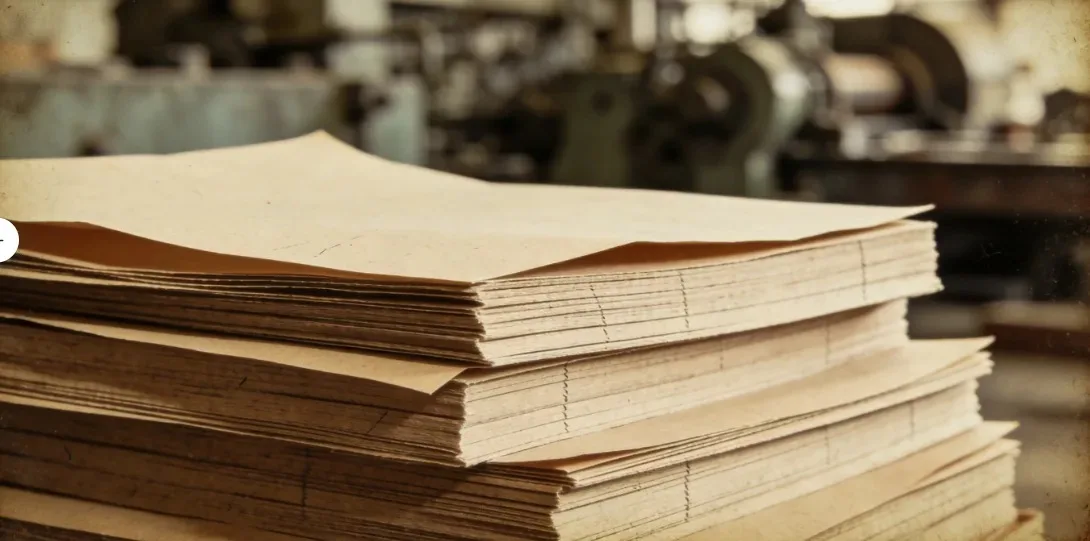




What Is Industrial Paper and Why Does It Matter in Modern Manufacturing?
Industrial paper is a category of engineered paper products designed for functional performance rather than aesthetics. Unlike printing or packaging paper, industrial paper is specified by mechanical strength, porosity, absorbency, chemical resistance, thermal stability, and compliance with industrial standards. It is widely used in manufacturing, maintenance, filtration, insulation, surface protection, and process control across sectors such as automotive, electronics, food processing, metallurgy, and construction.
From a supply-chain perspective, industrial paper functions as a process material. It does not merely carry information or protect goods; it directly affects yield, safety, compliance, and operational efficiency. Understanding how industrial paper is classified, specified, and applied is therefore essential for procurement teams, engineers, and plant managers.
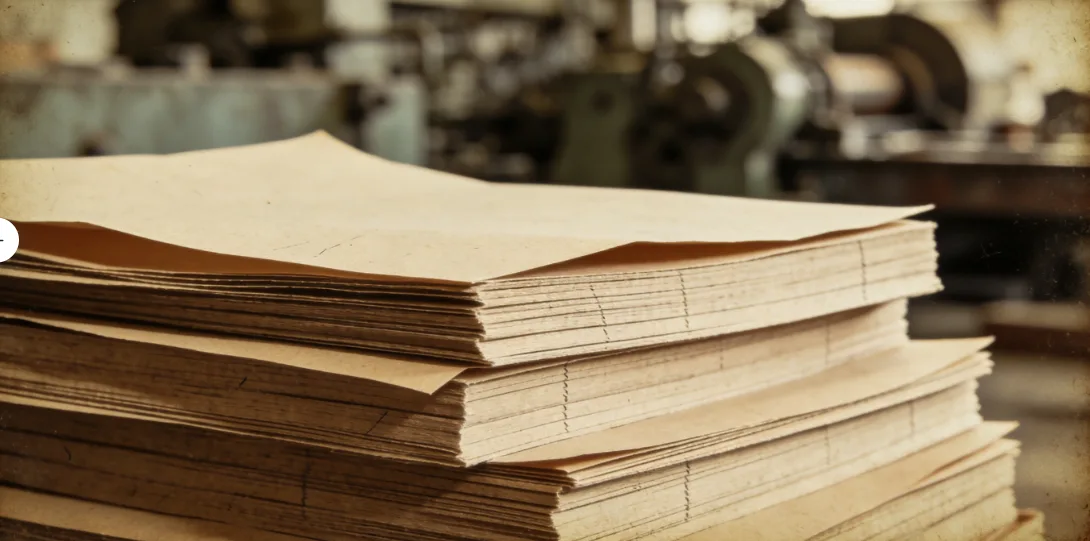
How Is Industrial Paper Defined in Technical Terms?
Industrial paper is defined as paper or paper-based material engineered to meet specific functional requirements in industrial processes. These requirements are typically quantified and verified through standardized testing methods.
Key defining parameters include:
- Basis weight (GSM) : Mass per unit area, typically 30–300 g/m²
- Tensile strength: Resistance to pulling forces, measured in N/15 mm or kN/m
- Tear resistance: Ability to resist propagation of tears
- Porosity or air permeability: Critical for filtration and drying applications
- Absorbency rate: Measured via Cobb value or absorption time
- Chemical compatibility: Resistance to oils, solvents, acids, or alkalis
- Thermal tolerance: Dimensional and mechanical stability at elevated temperatures
Industrial paper is often supplied in rolls, sheets, or die-cut formats and may be untreated or enhanced through coating, impregnation, lamination, or calendering.
What Are the Main Categories of Industrial Paper?
Industrial paper is best understood through functional classification rather than fiber origin alone. Below is a standardized functional taxonomy used by manufacturers and buyers.
How Is Industrial Paper Classified by Function?
| Category | Primary Function | Typical Applications |
|---|---|---|
| Industrial Wiping Paper | Cleaning and absorption | Machinery maintenance, oil wiping |
| Industrial Packaging Paper | Protection and separation | Interleaving, surface protection |
| Filter Paper | Particle and fluid filtration | Air, oil, fuel, food filtration |
| Insulating Paper | Electrical insulation | Transformers, motors |
| Release Paper | Controlled non-adhesion | Composite molding, labels |
| Abrasive Backing Paper | Mechanical support | Sandpaper, grinding discs |
| Lamination Base Paper | Structural substrate | Decorative laminates |
This classification is crucial for SEO and procurement because performance requirements differ substantially between categories.
What Raw Materials Are Used to Manufacture Industrial Paper?
Industrial paper is produced from carefully selected fibers and additives based on the target performance profile.
What Fiber Types Are Commonly Used?
- Bleached softwood pulp: High tensile strength and durability
- Bleached hardwood pulp: Smoothness and uniform formation
- Unbleached kraft pulp: Superior tear resistance and chemical stability
- Recycled fiber: Cost efficiency and sustainability compliance
- Synthetic fibers (aramid, polyester) : Extreme temperature or chemical resistance
What Additives Modify Performance?
- Wet strength resins for moisture resistance
- Fillers for opacity and dimensional control
- Sizing agents to regulate absorbency
- Coatings for barrier properties
The precise fiber blend and additive system directly determine service life and process reliability.
How Is Industrial Paper Manufactured Step by Step?
Industrial paper production follows a controlled, repeatable process to ensure consistency.
What Is the Standard Manufacturing Workflow?
- Pulp preparation
Fiber refining and blending to target freeness and fiber length distribution - Sheet formation
Wet-end forming on Fourdrinier or cylinder machines - Pressing and drying
Moisture removal to reach specified dryness and density - Surface treatment
Coating, impregnation, or calendering as required - Slitting and converting
Custom sizes, rolls, or die-cut parts - Quality inspection
Mechanical, physical, and chemical testing
This process is governed by ISO 9001 or equivalent quality systems in professional mills.

What Performance Indicators Should Buyers Evaluate?
Selecting industrial paper requires objective, testable criteria.
What Are the Core Technical Specifications?
- Basis weight tolerance: ±3–5%
- Moisture content: Typically 4–8%
- Tensile index: Determines runnability and durability
- Absorption capacity: g/m² or seconds to saturation
- Ash content: Indicates filler level
- Surface roughness: Important for laminating or coating
Ignoring these parameters often results in downstream production issues.
How Does Industrial Paper Differ From Commercial Paper?
The distinction between industrial and commercial paper is fundamental.
What Are the Key Differences?
| Attribute | Industrial Paper | Commercial Paper |
|---|---|---|
| Primary goal | Functional performance | Visual and print quality |
| Specification | Engineering-driven | Design-driven |
| Tolerances | Tight and measurable | Relatively flexible |
| Customization | High | Limited |
| Testing | Mechanical and chemical | Optical and print |
Industrial paper is purchased based on process compatibility, not appearance.
What Are the Most Common Industrial Applications?
Industrial paper is integrated into both continuous and discrete manufacturing environments.
Where Is Industrial Paper Typically Used?
- Automotive plants: Wiping, surface protection, filtration
- Electronics manufacturing: Cleanroom wiping, insulation layers
- Food processing: Filter media, oil absorption
- Metalworking: Interleaving, oil-resistant liners
- Construction materials: Lamination and reinforcement
Each application imposes different regulatory and performance constraints.
What Standards and Certifications Apply to Industrial Paper?
Compliance ensures safety, consistency, and global acceptance.
Which Standards Are Most Relevant?
- ISO 9001: Quality management
- ISO 536: Basis weight determination
- ISO 1924: Tensile properties
- ISO 8787: Absorbency testing
- FDA 21 CFR: Food-contact safety
- REACH and RoHS: Chemical compliance
Buyers should request test reports aligned with these standards.
What Are Common Selection Mistakes and How Can They Be Avoided?
Errors in industrial paper selection often lead to hidden costs.
What Are Frequent Mistakes?
- Over-specifying GSM without considering porosity
- Ignoring wet strength in high-humidity environments
- Using recycled fiber paper where purity is required
- Failing to test compatibility with oils or solvents
How Can These Issues Be Prevented?
- Define application conditions clearly
- Request samples for line trials
- Review full technical data sheets
- Align paper specs with process parameters
Preventive evaluation reduces downtime and waste.
How Does Sustainability Impact Industrial Paper Choices?
Sustainability is now a procurement requirement, not a marketing add-on.
What Sustainability Metrics Matter?
- FSC or PEFC-certified fibers
- Recycled content percentage
- Energy and water consumption per ton
- Waste recyclability after use
Industrial paper can support ESG goals when selected strategically.
How Should Industrial Paper Be Stored and Handled?
Improper storage degrades performance before use.
What Are Best Practices?
- Store at 20–25°C and 45–60% relative humidity
- Acclimate paper before use
- Avoid direct floor contact
- Protect from chemical vapors
Correct handling preserves specification integrity.
How Is Industrial Paper Specified in Procurement Documents?
Clear specification reduces supplier risk.
What Should a Technical Specification Include?
- Application description
- Basis weight and tolerance
- Mechanical strength requirements
- Surface or chemical treatments
- Applicable standards
- Packaging and delivery format
This structure enables accurate quoting and consistent supply.
Frequently Asked Questions About Industrial Paper
What is industrial paper used for most commonly?
Industrial paper is mainly used for wiping, filtration, insulation, surface protection, and process support in manufacturing and maintenance environments where functional performance is critical.
How is industrial paper tested for quality?
Quality is verified through standardized tests measuring basis weight, tensile strength, absorbency, porosity, and chemical resistance according to ISO or industry-specific standards.
Can industrial paper be customized?
Yes. Industrial paper can be customized by fiber blend, basis weight, coatings, impregnation, size, and converting format to meet specific process requirements.
Is industrial paper environmentally sustainable?
Many industrial papers use recycled or certified fibers and are recyclable after use, making them compatible with modern sustainability and ESG requirements.
How do I choose the right industrial paper supplier?
Select suppliers with documented quality systems, consistent test data, application support capability, and experience in your specific industry segment.