
1. What is PLA?
PLA is a type of plastic made from plants, like corn or sugarcane. It is created by turning the starch in these plants into lactic acid through a process called fermentation. The lactic acid is then changed into plastic through another process called polymerization. PLA is good for the environment because it comes from renewable resources and can break down completely into water and carbon dioxide under certain conditions, such as in industrial composting. This means it does not cause long-term pollution.
|
Advantages and Limitations of PLA |
|
|
Renewability |
Raw materials come from plant starches, representing a sustainable resource. |
|
Biodegradability |
Can be completely degraded within six months under industrial composting conditions. |
|
Heat Stability |
Slightly lower than traditional plastics, suitable for room temperature or low-temperature packaging. |
|
Higher Cost |
More expensive than conventional PE, though costs are expected to decrease with technological advancements. |
|
Moisture Resistance |
Performs well, ideal for food packaging applications. |
2. Structure and Manufacturing Process of PLA Coated Paper
PLA-coated Paper is made of two parts: the base paper and a thin layer of PLA on top. The base paper is usually food-safe paper like kraft paper or white cardboard. The PLA layer is added to the paper using methods such as cast coating or extrusion lamination. This creates a protective cover over the paper.
The way PLA-coated paper is made is similar to how regular coated paper is produced. First, the base paper is unwound and cleaned to remove dirt and other impurities. Sometimes, a process called corona treatment is done to help the PLA stick better to the paper. Then, small PLA pellets are melted and spread evenly onto the paper through a special tool called a die. After that, the paper goes through cooling rolls so the PLA can harden. Finally, the paper may be cut, punched, printed, or changed in other ways based on what customers want.

3. Major Performance Characteristics of PLA Coated Paper
Eco-Friendly:
One of the best things about PLA-coated paper is that it can break down naturally. Unlike regular PE-coated paper, PLA-coated paper can fully decompose in about six months in special composting places. This helps reduce garbage in landfills and lowers the risk of microplastic pollution.
Safe for Food:
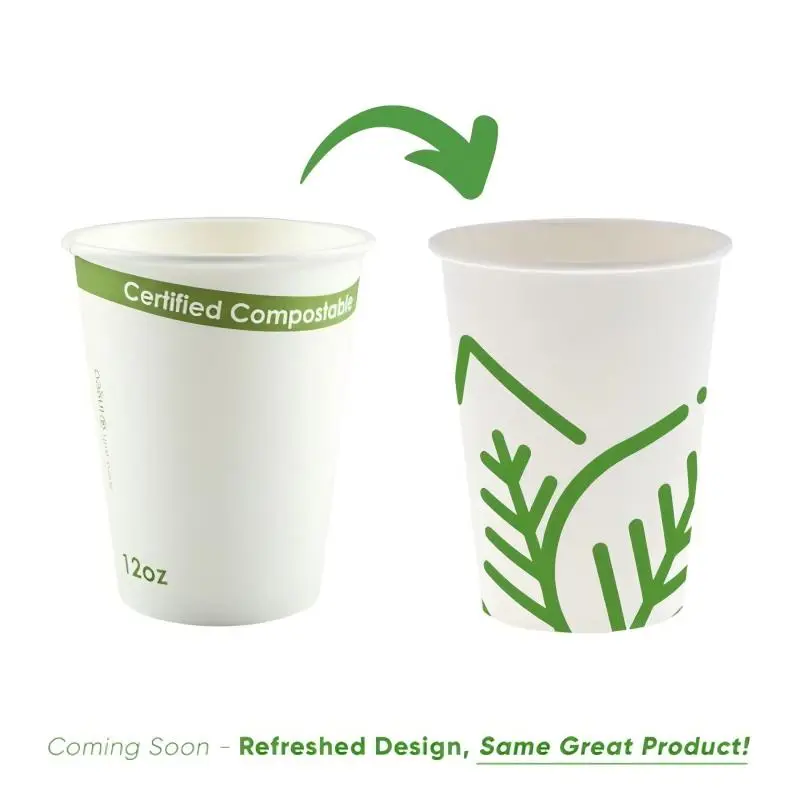
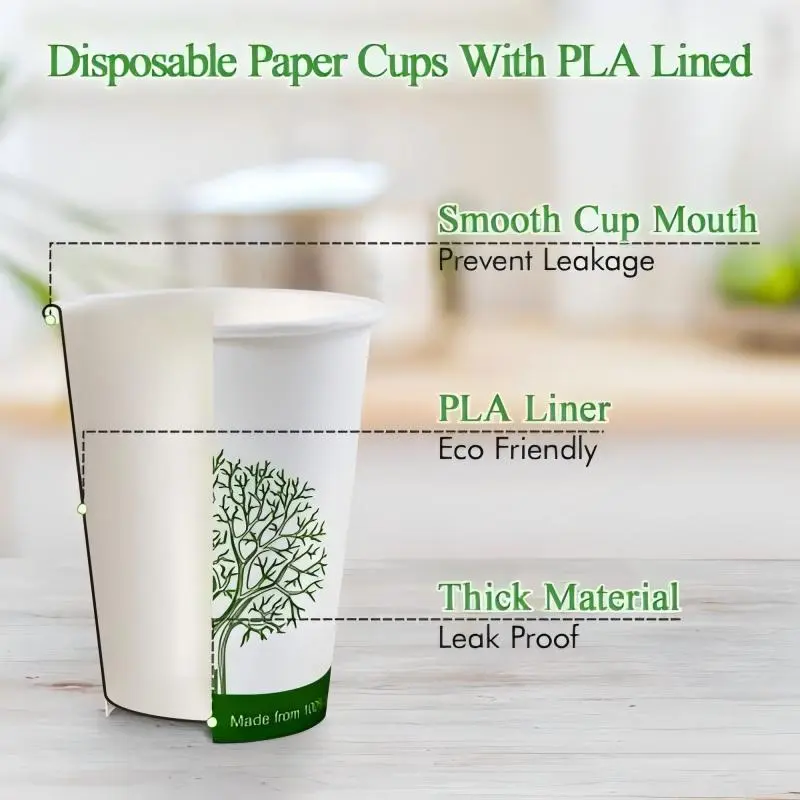
PLA is not toxic and has no smell. It meets food safety standards from groups like the FDA (in the U.S.), the EU, and China. That’s why it’s often used for food packaging like take-out boxes, paper cups, plates, cold drink cups, muffin trays, and salad bowls.
Waterproof and Oil-Proof:
At normal temperatures, PLA-coated paper can keep out water and oil very well. This makes it great for most types of food packaging.
Good for Printing:
After a special treatment (like corona treatment), the surface of PLA-coated paper is perfect for printing. It can show bright colors and sharp images, which helps companies design attractive packaging that matches what their customers want.
4. Application Fields of PLA Coated Paper
In recent years, the takeout food industry has grown quickly. This has caused a big increase in the use of single-use plates, bowls, and packaging bags. Because PLA-coated paper is good for the environment and safe for food, it is now widely used in many types of takeout packaging.
Also, many supermarkets are no longer using regular plastic bags. Instead, they are using eco-friendly shopping bags made from PLA-coated paper. This material is also used for fruit and vegetable labels, packaging for cooked food, and more.
In addition, because PLA is safe for use in medical settings, it is also used to make packaging for some medical supplies. Examples include outer wrapping for disposable face masks, papers used to collect lab samples, and paper bags for medical tools.
5. Conclusion: PLA Coated Paper – The Path Toward Green Packaging in the Future
PLA-coated paper has many good qualities: it is eco-friendly, safe, and can break down naturally. Because of this, it is slowly taking the place of regular plastic-coated paper and becoming very popular in the packaging industry. It fits with the global goal of sustainable development and gives people healthier and greener choices in daily life.
Even though PLA-coated paper still faces some challenges like higher costs and performance limits, it is expected to become much more widely used in the future as technology improves and the market grows.
Whether you are a business or a person making choices, using PLA-coated paper shows that you care about protecting the planet. Let’s all look forward to and take part in this green change, working together toward a cleaner and more sustainable world.