

When it comes to cooking and baking, two papers you might see in the kitchen are baking paper and Waxed Paper. They look similar, but they’re used for very different things. Let’s break it down in simple terms.
Baking Paper: The Heat-Resistant Hero
Baking paper, also commonly known as parchment paper, is a staple in every baker’s arsenal. Its primary function is to line baking trays, pans, and oven-safe dishes during the baking process. What sets baking paper apart is its ability to withstand high temperatures without igniting or melting. Typically, baking paper can withstand temperatures up to 220°C (428°F), making it the perfect companion for everything from cookies and cakes to pies and roasts.

Key Benefits:
- Heat Resistance: Its high heat tolerance ensures that your baked goods come out perfectly, without any risk of sticking to the pan or scorching.
- Non-Stick Surface: The smooth, non-stick surface of baking paper eliminates the need for greasing, making cleanup a breeze.
- Versatility: Ideal for both sweet and savory dishes, baking paper can be used for a wide range of culinary creations.
Waxed Paper: The Moisture-Blocking Guardian
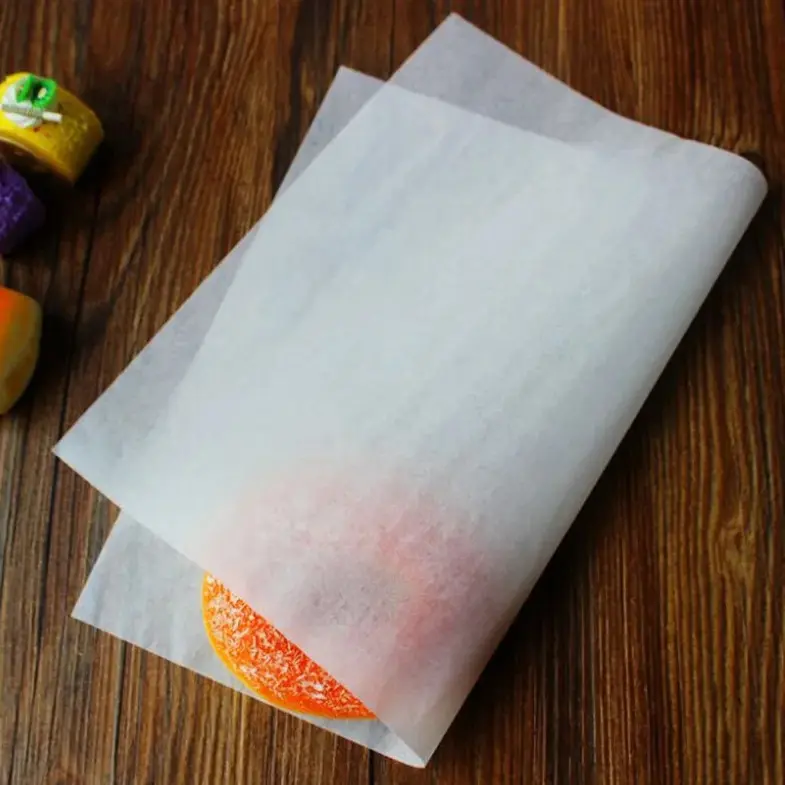
On the other hand, waxed paper is a versatile yet specialized tool in the kitchen. As its name suggests, waxed paper is Coated with a thin layer of wax, which gives it unique properties. Primarily, waxed paper is designed for moisture-sensitive applications, such as wrapping and storing food in the refrigerator or freezer. Its waxy coating effectively seals in freshness and prevents moisture loss, keeping your ingredients fresh for longer.
Key Benefits:
- Moisture Barrier: Perfect for protecting delicate foods from drying out or absorbing unwanted flavors in the fridge or freezer.
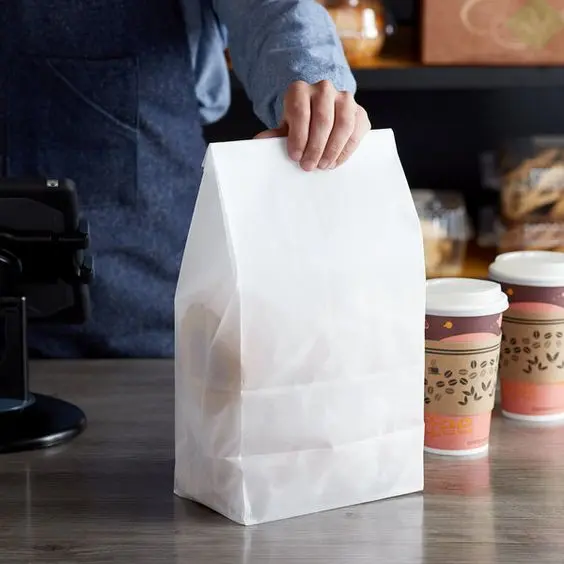
- Food-Safe Wrapping: Safe for direct food contact, waxed paper is ideal for wrapping sandwiches, cheeses, and other perishables.
- Cost-Effective: An affordable alternative to plastic wrap, waxed paper is eco-friendly and easy to dispose of.
The Critical Factor: Temperature Tolerance
The most significant difference between baking paper and waxed paper lies in their temperature tolerance. Baking paper’s heat resistance makes it the go-to choice for oven use, where temperatures can soar well above what waxed paper can handle. In contrast, waxed paper’s wax coating would melt and potentially ignite if exposed to the high temperatures found in an oven, posing a fire hazard.
Conclusion
In summary, baking paper and waxed paper each serve vital roles in the kitchen, but their intended uses couldn’t be more distinct. Baking paper, with its heat resistance, is indispensable for all your baking endeavors, ensuring perfect results and hassle-free cleanup. Meanwhile, waxed paper’s moisture-blocking properties make it the perfect choice for storing and wrapping food in the fridge or freezer. By understanding these key differences, you can make informed decisions that enhance your culinary experience and protect your kitchen from potential hazards.