

When it comes to producing reliable and durable paper cups, one critical yet often overlooked factor is the quality of PE (polyethylene) lamination used on thecupstock. Paper cups are a staple in the foodservice industry, but ensuring their performance hinges on the correct material selection and manufacturing processes. One of the most important steps in cup production is the lamination of paper with PE, which serves as the barrier that prevents leakage and ensures the cup’s structural integrity.
The Role of PE Lamination in Paper Cups
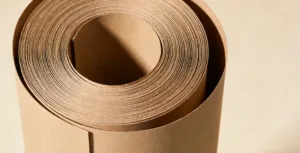
PE lamination is a thin layer of polyethylene plastic that is applied to the surface of paper cupstock. This layer provides essential moisture resistance and helps form a strong bond between the paper fibers. Without this coating, paper cups would absorb liquids, become soggy, and fail to hold their shape, making them unfit for use in the fast-paced, high-demand foodservice environment.
However, it’s not just any PE lamination that will do the job. Choosing the right grade and quality of PE material is crucial. Lower-quality PE materials may fail to properly adhere to the paper, leading to issues such as poor sealing, increased risk of leakage, and reduced overall performance of the cup.
The Impact of Poor PE Lamination
1. Poor Attachment of Paper Layers
When low-quality PE lamination is used, the bond between the PE layer and the paper may be weak. This can result in a separation between the paper and the lamination during use, compromising the cup’s strength. If the layers aren’t properly adhered, the structural integrity of the cup is at risk, leading to a breakdown of the product during filling or handling.
2. Leakage Problems
The primary role of PE lamination is to provide a waterproof barrier. If the lamination is of inferior quality, the cup may start to leak, especially when exposed to hot or cold liquids. Even small leaks can lead to significant problems for end-users, ranging from user discomfort to brand damage for businesses that rely on disposable cups. This makes selecting the right PE material paramount to prevent unnecessary waste and customer dissatisfaction.

What to Look for in Quality PE Lamination Materials?
1. Consistency in Thickness and Application
A uniform PE coating ensures that the entire surface of the cup is protected, preventing weak points that may result in leakage. Manufacturers should focus on consistency in lamination thickness, as even minor variations can impact performance.
2. Compatibility with Different Paper Types
Not all paper cupstock is created equal. Some papers may have a higher porosity, which could affect how well the PE adheres. High-quality PE materials are designed to bond seamlessly with a wide range of paper grades to ensure that cups maintain their strength and function.
3. Resistance to Temperature Variations
PE lamination should be resilient against a wide range of temperatures. Whether the cup is filled with hot coffee or iced tea, the lamination must withstand both extremes without weakening or allowing leaks to form.
4. Environmental Considerations
In today’s world, sustainability is also a key concern. While PE lamination is essential for the performance of paper cups, it’s important to choose materials that can be processed efficiently and safely in recycling systems. Many manufacturers now offer biodegradable PE options that meet both performance and environmental standards.
Conclusion
In conclusion, the quality of PE lamination directly impacts the functionality, durability, and customer satisfaction of paper cups. A strong, high-quality PE coating ensures better attachment between the paper layers, prevents leakage, and improves the overall performance of the cup. For manufacturers and businesses, selecting top-tier PE materials isn’t just a matter of quality—it’s a critical step in maintaining a reputation for reliability and sustainability in the marketplace.