

As we move deeper into 2025, the global war on plastic has reached a fever pitch. With stricter “Plastic Packaging Tax” regulations and the rise of the circular economy, businesses are racing to find materials that don’t just look “green” but actually perform under environmental scrutiny. Kraft paper has emerged as the clear winner.
In this deep dive, we explore why kraft paper is the ultimate sustainable packaging solution, comparing its carbon footprint to plastic and detailing how its unique manufacturing process creates a truly biodegradable wrapping material.
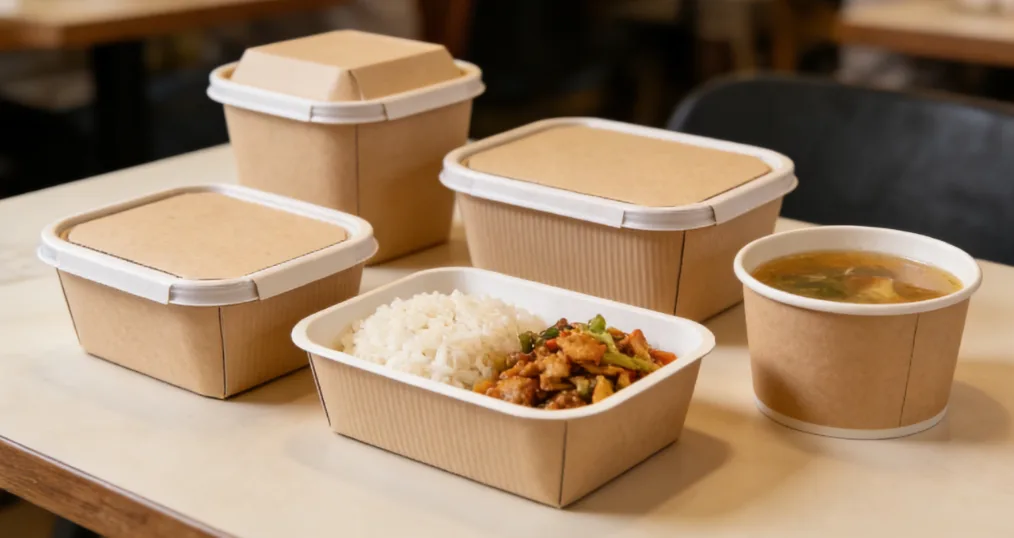
Is Kraft Paper 100% Biodegradable and Compostable?
One of the most significant kraft paper eco-friendly benefits is its organic origin. Unlike plastic, which is derived from fossil fuels and can persist in the environment for 500+ years, kraft paper is made from wood pulp—a natural cellulose fiber.
The Decomposition Timeline
Under the right conditions (exposure to moisture, oxygen, and microorganisms), kraft paper typically biodegrades within 2 to 6 weeks. In contrast, a plastic bag will only break down into toxic microplastics.
- Home Composting: Plain, unbleached kraft paper can be added to backyard compost bins. It provides “brown” carbon-rich material that balances the nitrogen from food scraps.
- Industrial Composting: In high-heat industrial facilities, the process is even faster, often taking less than 21 days.
Note: For kraft paper to be 100% compostable, it must be free of plastic coatings (like PE lining) and printed with water-based or soy-based inks.
How Does Kraft Paper Packaging Reduce Carbon Emissions?
While some critics point out that paper production is energy-intensive, the carbon footprint of paper packaging in 2025 must be viewed through the lens of “Life Cycle Assessment” (LCA).
1. Carbon Sequestration
The wood used for kraft paper comes from trees that actively absorb CO2 during their growth. When managed through FSC certified kraft paper suppliers, for every tree harvested, several more are planted. This creates a “carbon sink” that offsets production emissions.
2. Low-Chemical “Kraft” Process
The word Kraft comes from the German word for “strength.” The kraft pulping process is more sustainable than standard papermaking because it:
- Recovers and reuses nearly 95% of the pulping chemicals (black liquor) to generate energy for the mill.
- Avoids heavy bleaching, which reduces the release of dioxins and other toxic byproducts into waterways.
3. Lightweight Logistics
Modern innovations in 2025 have allowed for high-strength, low-GSM kraft paper. This reduces the weight of shipments compared to bulky traditional cardboard, leading to lower fuel consumption during transport.
What Makes Kraft Paper More Sustainable Than Standard Paper?
Not all paper is created equal. When comparing sustainable packaging options, kraft paper stands out from standard white office paper or “test” paperboard.
Technical Comparison Table
| Feature | Standard White Paper | Kraft Paper |
|---|---|---|
| Fiber Strength | Lower (fibers break during bleaching) | Superior (long, virgin fibers) |
| Chemical Usage | High (intensive bleaching/chlorine) | Minimal (unbleached or natural) |
| Source Versatility | Specific wood types | Any wood species (including resinous pine) |
| Recyclability | Moderate | High (up to 7 times) |
| Lignin Content | High (leads to yellowing/weakness) | Low (removed during sulfate process) |
The removal of lignin and the preservation of long cellulose fibers mean that kraft paper is not only more durable but also requires less raw material to achieve the same structural integrity as standard paper.
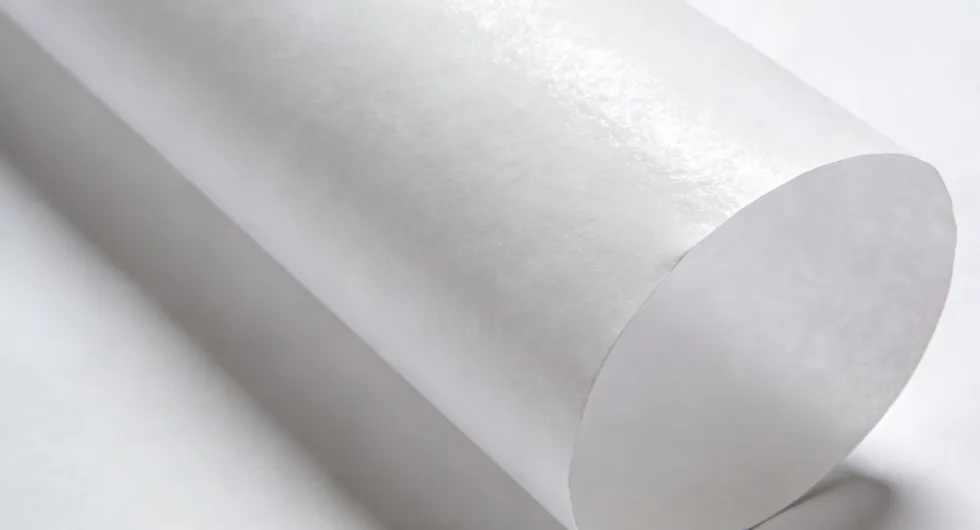
Can Kraft Paper Replace Single-Use Plastics in Retail?
The transition from plastic to paper is no longer a “luxury” choice—it is a functional necessity for retailers in 2025.
Solving the “Durability Gap”
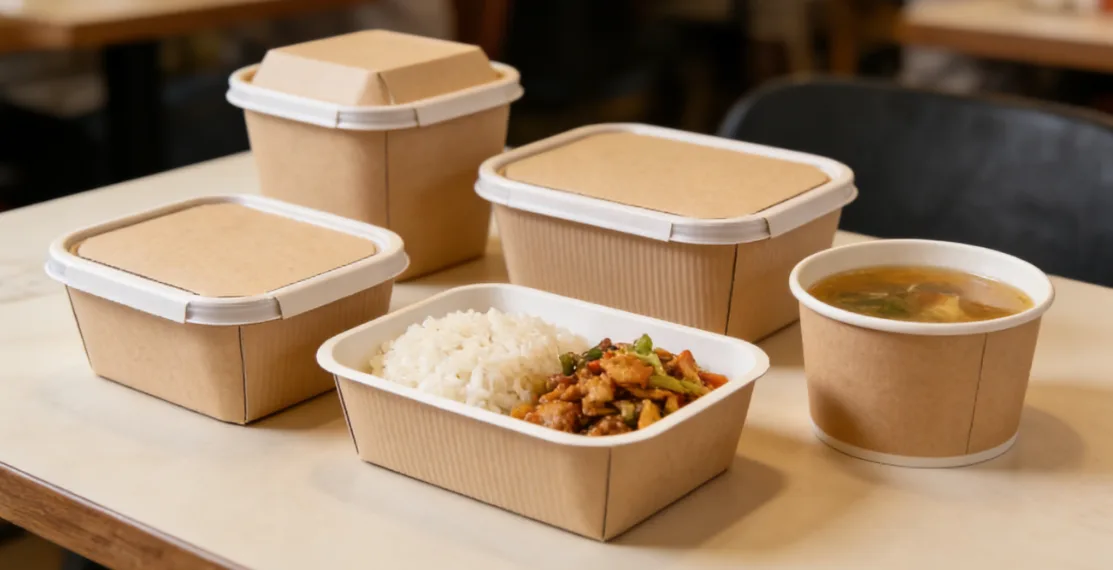
Historically, plastic was preferred for its moisture resistance. However, the development of compostable industrial packaging solutions has bridged this gap. Modern kraft paper can now be treated with:
- Bio-waxes: Plant-based coatings that offer water resistance without compromising compostability.
- Water-based barriers: Coatings that prevent grease soak-through, ideal for greaseproof paper for fast food.
Retail Applications
- E-commerce: Kraft mailers are replacing plastic poly-mailers.
- Fashion: Luxury brands utilize high-GSM kraft bags with cotton handles for a premium, eco-friendly feel.
- Grocery: High-tensile kraft sacks can carry weights exceeding 10kg, matching the performance of heavy-duty plastic bags.
What Are the Environmental Certifications for Kraft Paper?
To ensure your brand is genuinely helping the planet and not just “greenwashing,” you must look for specific global standards.
1. FSC (Forest Stewardship Council)
Buying from FSC certified kraft paper suppliers guarantees that the wood pulp was sourced from forests that protect biodiversity and indigenous rights. It ensures a “no net loss” of forest cover over time.
2. PEFC (Programme for the Endorsement of Forest Certification)
Similar to FSC, PEFC tracks the chain of custody from the forest to the final consumer, ensuring sustainable land management.
3. EN 13432 / ASTM D6400
These are the gold standards for biodegradable wrapping material. They certify that the packaging will disintegrate in a composting environment within a set timeframe without leaving toxic residues.
4. Recycled Content Certification (SCS Global)
This verifies the percentage of “post-consumer waste” used in the paper. In 2025, many brands aim for a blend of 70% recycled and 30% virgin fiber to maintain strength while maximizing the recyclability of kraft paper vs plastic.
FAQ: The Environmental Impact of Kraft Paper in 2025
Is kraft paper actually better for the ocean than plastic?
Yes, significantly. If kraft paper ends up in the ocean, it breaks down into cellulose fibers within weeks or months, which can be safely consumed by marine microorganisms. In contrast, plastic breaks into microplastics that enter the food chain and persist for centuries.
How many times can kraft paper be recycled?
High-quality kraft paper can usually be recycled 5 to 7 times. Each time it is processed, the fibers become shorter. Eventually, these fibers become too short for paper and are used for products like egg cartons or insulation, before finally being composted.
Does the brown color of kraft paper mean it is eco-friendly?
Generally, yes. The brown color indicates the paper is “unbleached.” Avoiding the bleaching process saves massive amounts of water and prevents the use of chlorine and other harsh chemicals, making unbleached kraft paper the most sustainable option.
Why is the carbon footprint of paper packaging sometimes called “high”?
The “carbon footprint” of paper can appear high if you only look at the energy used in the factory. However, when you include the carbon sequestration of the trees and the high recycling rates (over 80% in many regions), the “net impact” is far lower than plastic.
Can I use kraft paper for liquid or frozen food?
Yes, but it requires a barrier. In 2025, the industry uses compostable industrial packaging solutions such as PLA (polylactic acid) or aqueous coatings. These allow kraft paper to hold liquids or withstand freezers while remaining 100% biodegradable in industrial facilities.