



Introduction
Choosing paper for food packaging now involves more than replacing plastic. Buyers need materials that resist oil and water, protect food from contamination, and still meet growing expectations for recyclability and responsible sourcing. This article explains what makes packaging paper truly food grade, how barrier performance is achieved without compromising safety, and which applications require different levels of resistance. It also highlights the trade-offs between functionality, compliance, and sustainability, giving manufacturers, converters, and brand owners a practical basis for selecting paper that performs well from production line to end use.
Why Packaging Paper Is a Strategic Choice for Food-Grade Packaging
The transition toward sustainable materials has positioned packaging paper as a critical asset for the global food service and retail industries. As regulatory frameworks restrict single-use plastics, brands are actively substituting legacy materials with advanced paper substrates capable of reducing fossil-based plastic usage by up to 80% per unit. This shift requires materials that do not compromise on barrier properties, structural integrity, or consumer safety.
How Is Food-Grade Packaging Paper Defined
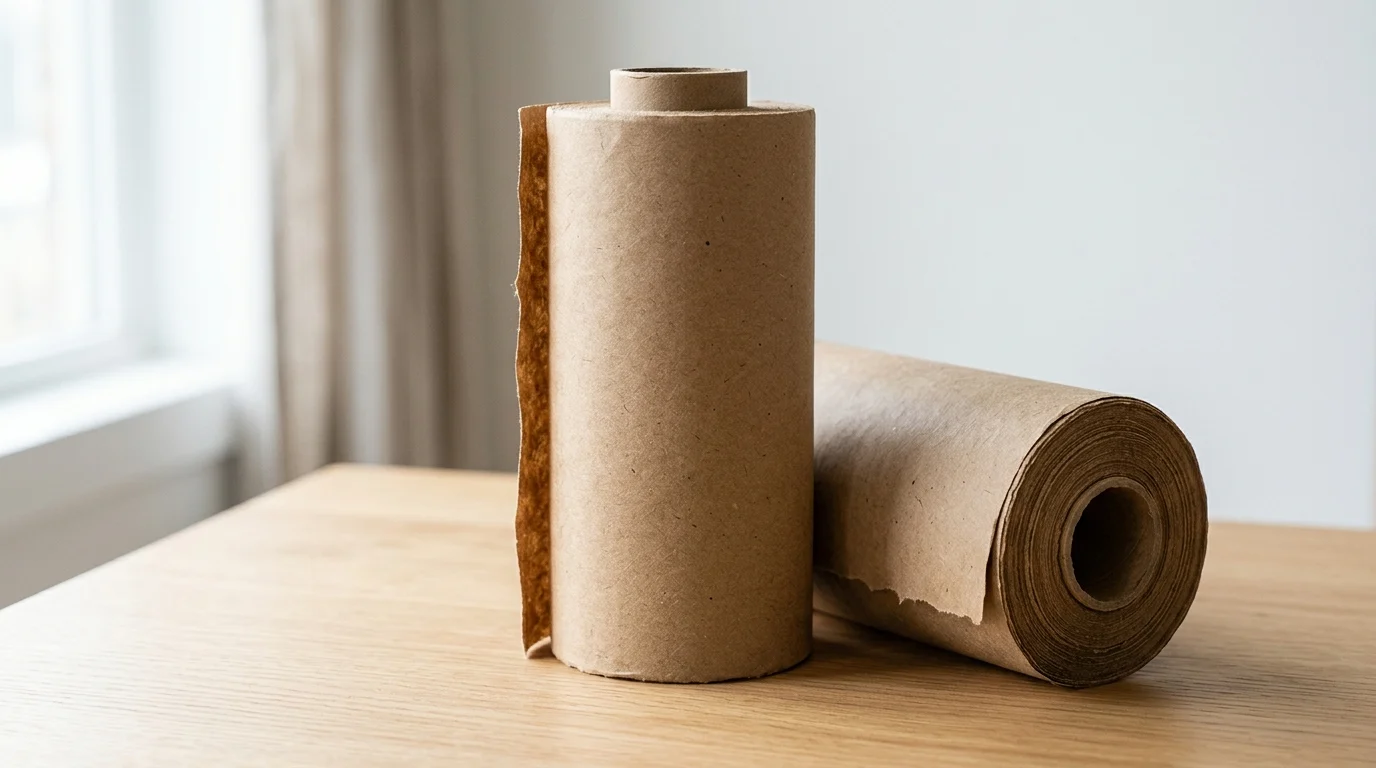
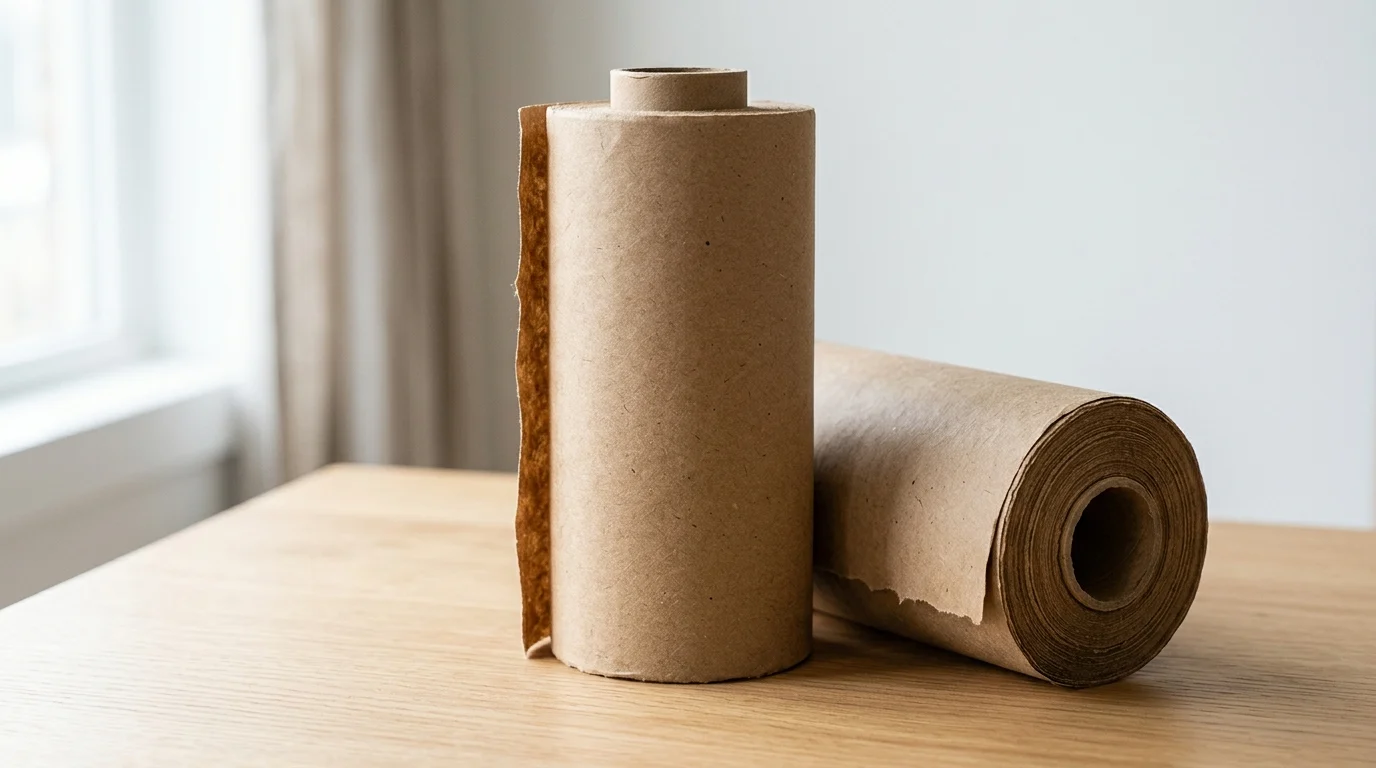
At its core, food-grade packaging paper is manufactured using virgin cellulose fibers to prevent the migration of mineral oils and contaminants commonly found in recycled pulp. The production process strictly controls chemical additives, ensuring the final substrate remains chemically inert when in direct contact with consumables. Modern Food-Grade Packaging Paper integrates specialized barrier coatings, such as aqueous dispersions or plant-based bioplastics, to achieve the necessary functional properties while maintaining strict recyclability or compostability standards.
Which End-Use Requirements Need Oil and Water Resistance
Different food applications demand varying degrees of barrier performance to maintain product freshness and structural integrity. Bakery items, fried foods, and highly processed snacks require rigorous oil resistance to prevent unsightly grease spots and packaging degradation. Industry standards measure this using the TAPPI T 559 Kit test, where a Kit rating of 7 to 12 is typically mandated for high-grease environments like fast-food wrappers. Conversely, frozen foods and chilled beverages prioritize moisture control to withstand condensation and long-term cold storage. Water resistance is quantitatively evaluated using the Cobb test; a Cobb60 value of less than 25 g/m² is often the baseline threshold for effective moisture barriers in chilled environments. Achieving the correct balance of oil and water resistance ensures the packaging remains functional throughout its lifecycle.
What Technical and Compliance Factors Should Buyers Compare

Evaluating technical specifications and regulatory compliance is paramount when transitioning to paper-based food packaging. Buyers must navigate a complex matrix of barrier properties, structural capabilities, and stringent safety standards to ensure the chosen substrate performs reliably without introducing chemical hazards to the consumer.
Which Packaging Paper Specifications Matter Most
The physical and barrier specifications of packaging paper dictate its suitability for specific food applications. Basis weight, typically ranging from 30 to 150 grams per square meter (GSM), determines the paper’s tensile strength and foldability. Lighter papers are ideal for sandwich wraps, while heavier boards are required for structural takeout boxes. Additionally, the type of barrier coating applied significantly impacts both performance and end-of-life disposal. Integrating high-performance Food-Grade Packaging Paper requires careful comparison of these coating technologies.
| Coating Type | Oil Resistance (Kit Rating) | Water Resistance | End-of-Life Profile |
|---|---|---|---|
| Polyethylene (PE) | 10 – 12 | Excellent | Requires specialized recycling facilities |
| Polylactic Acid (PLA) | 8 – 10 | Good | Industrially compostable |
| Aqueous (Water-based) | 6 – 9 | Moderate to Good | Fully recyclable / Repulpable |
How Do Food-Contact Compliance and Migration Risks Affect Selection
Regulatory compliance serves as the baseline for any food-contact material. Packaging paper must adhere to regional directives, such as the FDA’s 21 CFR 176.170 in the United States or the BfR Recommendation XXXVI in Europe, which govern the safe use of paper and board for food contact. A critical contemporary issue is the mitigation of per- and polyfluoroalkyl substances (PFAS), historically used for grease resistance. With global regulations aggressively phasing out these chemicals, buyers must demand PFAS-free certifications, often verified by total organic fluorine testing showing levels strictly below 100 parts per million (ppm). Migration testing is also mandatory to ensure that inks, adhesives, and barrier coatings do not transfer harmful compounds into the food matrix under varying temperature and acidic conditions.
How Can Companies Source, Test, and Choose the Right Packaging
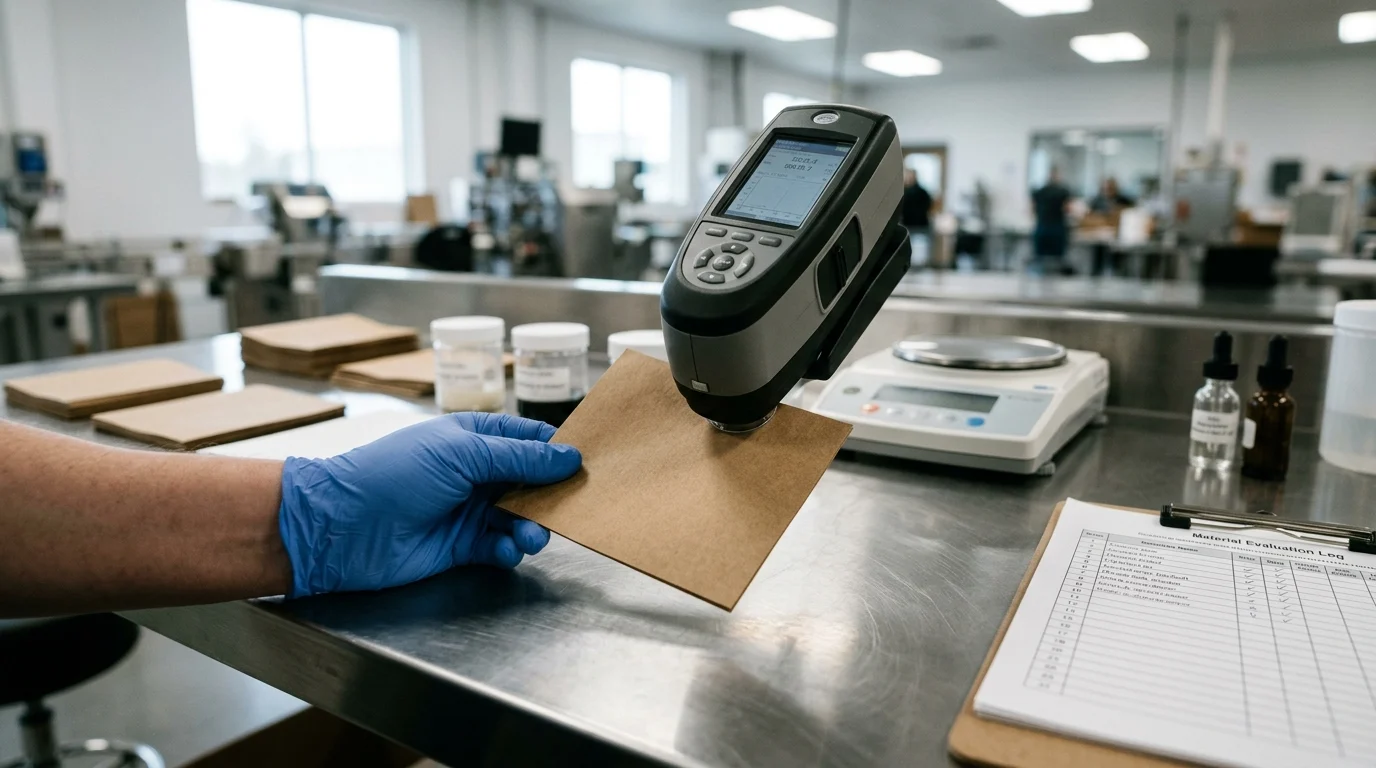
Successfully integrating advanced packaging paper into a supply chain requires a rigorous approach to sourcing and quality assurance. Companies must establish robust evaluation frameworks to identify capable suppliers and balance the technical advantages of sustainable paper with operational budgets.
What Supplier Evaluation Steps Support Qualification
Supplier qualification should extend beyond basic product sampling to comprehensive facility audits. Buyers should verify that manufacturing plants hold recognized food safety management certifications, such as ISO 22000 or BRCGS Packaging Materials standards. Furthermore, verifying the chain of custody through FSC or PEFC certifications ensures the virgin fibers are sourced from responsibly managed forests. Assessing a supplier’s production capacity and minimum order quantities (MOQ) is also critical; custom food-grade runs typically require MOQs ranging from 3 to 5 metric tons. Partnering with a manufacturer committed to producing Oil & Water Resistant, Safe & Eco-Friendly materials guarantees consistent quality control and traceability across commercial batches.
Which Decision Criteria Best Balance Performance and Cost
The final selection criteria must harmonize performance metrics with total cost of ownership. While highly engineered aqueous-coated papers may carry a 15% to 20% premium over traditional uncoated or PE-lined alternatives, they frequently yield downstream financial advantages. These savings materialize through reduced Extended Producer Responsibility (EPR) fees, lower disposal costs, and the elimination of secondary packaging layers. Decision-makers should conduct pilot runs to test the paper’s machinability on existing forming and sealing equipment, ensuring that cycle times and defect rates—targeting a strict threshold of less than 0.5%—remain optimal. By quantifying both direct material costs and indirect operational efficiencies, companies can confidently invest in packaging paper that meets strategic sustainability goals without sacrificing profitability.
Key Takeaways
- The most important conclusions and rationale for Packaging Paper
- Specs, compliance, and risk checks worth validating before you commit
- Practical next steps and caveats readers can apply immediately
Frequently Asked Questions
What makes packaging paper food-grade?
Food-grade paper uses virgin cellulose fibers, controlled additives, and compliant coatings to reduce contamination and migration risks during direct food contact.
How do I choose oil-resistant paper for greasy foods?
Check the TAPPI Kit rating. For fried foods and fast-food wraps, a Kit 7–12 paper is typically the practical target.
What water-resistance level is suitable for chilled or frozen packaging?
Look for Cobb60 below 25 g/m² when packaging faces condensation or cold storage. This helps prevent weakening and moisture penetration.
Which coating type should I select for recyclability or compostability?
Aqueous coatings are usually repulpable and recyclable, while PLA is industrially compostable. PE offers strong barriers but often needs specialized recycling.
What compliance checks should buyers request from suppliers?
Ask for FDA 21 CFR 176.170 or BfR XXXVI compliance, PFAS-free verification, and migration test reports for inks, adhesives, and coatings.